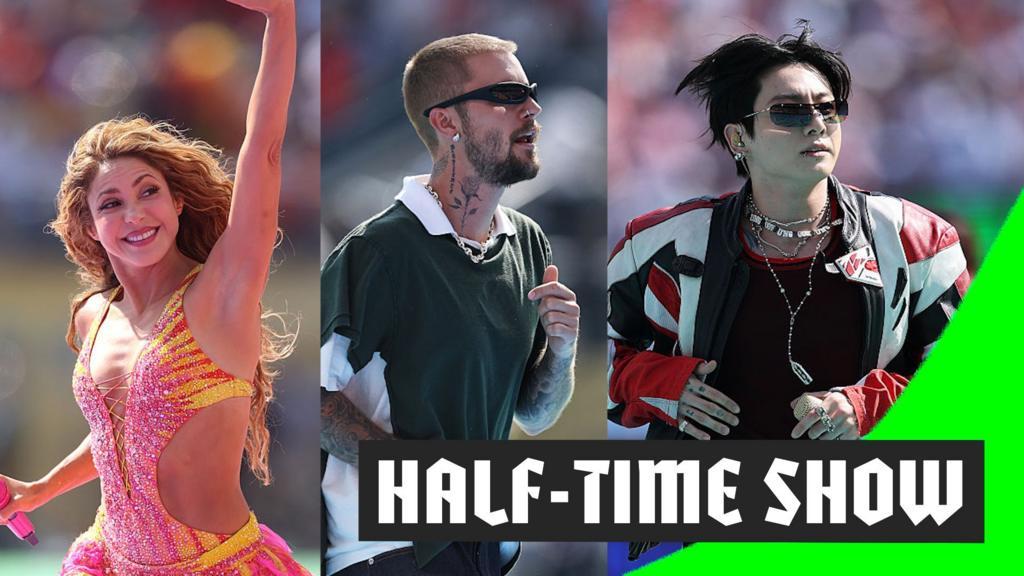
World Cup 2026: Madonna, BTS, Justin Bieber and Shakira shine at
According to Bbc.
Context
Madonna, one of pop music's most iconic artists, continues to be a central figure in popular culture, and her participation in the 2026 World Cup final underlines her continued relevance. The presence of football legends Ronaldo and Ronaldinho also highlights the emotional connection many have with the sport, creating a nostalgic atmosphere that resonates with fans of all ages. This lineup of musical and sporting stars reflects the World Cup's ability to unite different spheres of entertainment.
Why this matters
The halftime show of the 2026 World Cup final highlighted the intersection between music and sport, bringing together world-renowned artists in an event that transcended cultural borders. The presence of icons like Madonna and BTS not only elevated the entertainment, but also reinforced the importance of the World Cup as a global event that unites different cultures and generations. This type of celebration is crucial for promoting the 2026 World Cup, which will be co-hosted by the United States, Mexico and Canada.
Main conclusions
- World Cup 2026: Madonna, BTS, Justin Bieber and Shakira shine in the.
- Halftime show of the 2026 World Cup final brought together Madonna, BTS, Justin Bieber and Shakira, with a special appearance by Ronaldo and Ronaldinho, at the New York New Jersey Stadium.
- World Cup 2026: Stars shine at World Cup final half-time show - BBC Sport.
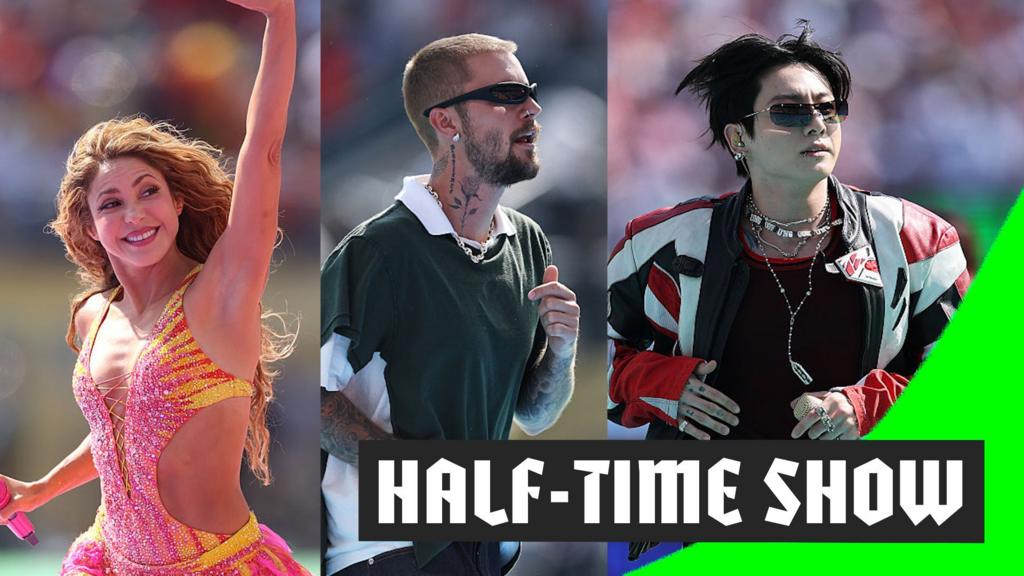
The half-time of the 2026 World Cup final brought one of the most media moments of the tournament, with a spectacle that brought together some of the biggest names in world music at the New York New Jersey Stadium. Madonna, BTS, Justin Bieber and Shakira took to the stage set up on the pitch and provided a moment of entertainment on a global scale, before the resumption of the decisive game. The party also featured a special appearance by football legends Ronaldo and Ronaldinho, adding a touch of nostalgia and a direct connection to the universe of the great sport.
The combination of artists highlighted the planetary dimension of the 2026 World Cup, co-organized by the United States, Mexico and Canada. In a unique setting and before a global television audience of millions, the quartet of stars brought different musical languages to the center of the stadium: from a pop icon like Madonna, to a global K-pop phenomenon like BTS, including Canadian star Justin Bieber and Shakira, a figure long associated with the stage of major national team competitions. The lineup highlighted the cultural diversity that accompanies the biggest event on the international football calendar.
The presence of Ronaldo and Ronaldinho, two names that marked different eras of modern football, reinforced the bridge between the spectacle and the collective memory of the World Cup. Without the need for words or major formalities, their time on the pitch served as a tribute to the history of the competition and to the generations that grew up watching them shine.
The focus on a halftime show of this magnitude mirrors the promotion strategy and global reach of the 2026 World Cup, a tournament that will be played in 16 stadiums across the three host countries, with a format extended to 48 teams and 104 games. More than a simple interregnum between parts of the final, the moment of entertainment functioned as a celebration of football and pop culture, combining rhythms, image and emotion for audiences of all ages.
For the fans, at the stadium and at home, it was a memorable performance that helped frame the competitive climax of the competition. Between the expectation of the outcome on the pitch and the energy brought by the artists, the halftime of the 2026 World Cup final will remain as one of the iconic records of this edition held on North American soil, highlighting football's ability to bring together passions and create experiences that go far beyond 90 minutes.
What happens next
With the success of the show, it is likely that similar events will be planned for future competitions, highlighting the importance of entertainment at major sporting tournaments. The combination of music and football could be a growing trend, especially as the 2026 World Cup approaches, promising more collaborations between artists and athletes. The expectation is that the 2026 World Cup final will continue to attract a global audience, reinforcing the cultural legacy of the event.
Frequently asked questions
What happened during halftime of the 2026 World Cup final?
During halftime of the 2026 World Cup final, there was a spectacle that brought together artists such as Madonna, BTS, Justin Bieber and Shakira, as well as a special appearance by football legends Ronaldo and Ronaldinho.
Who confirmed the presence of Ronaldo and Ronaldinho at the show?
The presence of Ronaldo and Ronaldinho was part of the halftime spectacle, which was widely publicized as a tribute to the history of the World Cup.
ndial.
Why was this show held now?
The show was held as part of the 2026 World Cup's global promotion and reach strategy, highlighting the cultural diversity of the tournament.
What changes occurred in the format of the final show?
The halftime show of the 2026 World Cup final brought a combination of big names in music, reflecting a more global and diverse approach compared to previous editions.
How important was the presence of Madonna, BTS, Justin Bieber and Shakira?
The presence of these artists highlighted the planetary dimension of the 2026 World Cup and provided a moment of entertainment on a global scale, uniting different musical languages.