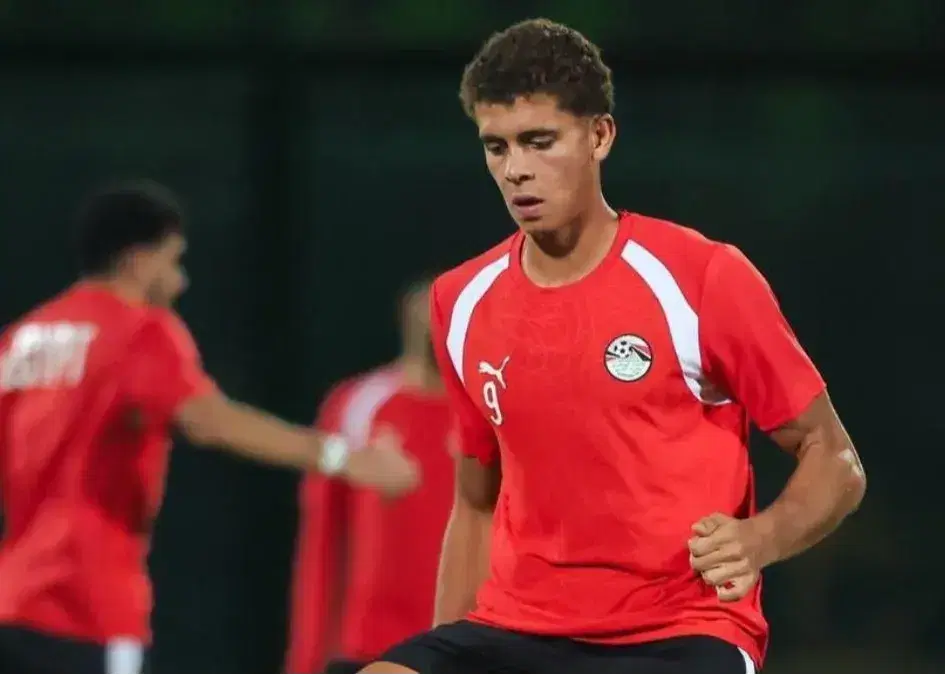
Controversy in Egypt: Hossam Hassan reprimands on the field
According to Varzesh3.
Context
Hamza Abdelkarim, Barcelona's 18-year-old striker, is seen as a 'jewel' of Egyptian football, with the potential to become a leader in the national team. His limited use on the field during the friendly against South Africa raised questions about the management of young talent in the team. Hossam Hassan's criticism and the voices of support for Abdelkarim reflect the tension between the need for immediate results and the long-term development of promising players.
Why this matters
The controversy surrounding Hossam Hassan and Hamza Abdelkarim highlights the pressure young talents face in Egyptian football. Public criticism of a promising player can affect his confidence and development, especially at a crucial time in his career. Talent management in the national team is vital to the future of Egyptian football, and how coaches deal with these young players can have a lasting impact.
Main conclusions
- Controversy in Egypt: Hossam Hassan reprimands on the field.
- Hossam Hassan sparked controversy in Egypt when he reprimanded Barcelona's 18-year-old forward Hamza Abdelkarim on the field after the friendly with South Africa.
- بدرفتاری عجیب سرمربی مصر با جواهر بارسلونا.
The atmosphere around the Egypt team heated up after the friendly against South Africa, with Hossam Hassan at the center of the controversy. The Egyptian coach was criticized for reprimanding 18-year-old Barcelona forward Hamza Abdelkarim on the pitch, a gesture that sparked an intense debate in the country about the management of young talent in the national team.
Abdelkarim, nicknamed “jewel” by the local press due to his potential, spent less than half an hour on the field in this test, but still left promising notes and created some opportunities. The focus, however, shifted from the performance to the post-game: after the match, Hossam Hassan approached the player harshly in full view of everyone, an attitude that many considered unnecessary and counterproductive for an athlete at the beginning of his international journey.
Among the most critical voices was Khaled Qadallah, a former Al Ahly player and respected figure in Egyptian football. Speaking to a local television channel, Qadallah argued that the coach should have waited in the locker room to talk to the striker. In his opinion, publicly exposing such a young footballer does not help his evolution or the serenity of the group. The former international also pointed out that Egypt could have given more minutes to those looking to gain space in the squad — citing Hamza Abdelkarim and also Omar Fayed — and questioned the option of starting the game without a starting striker.
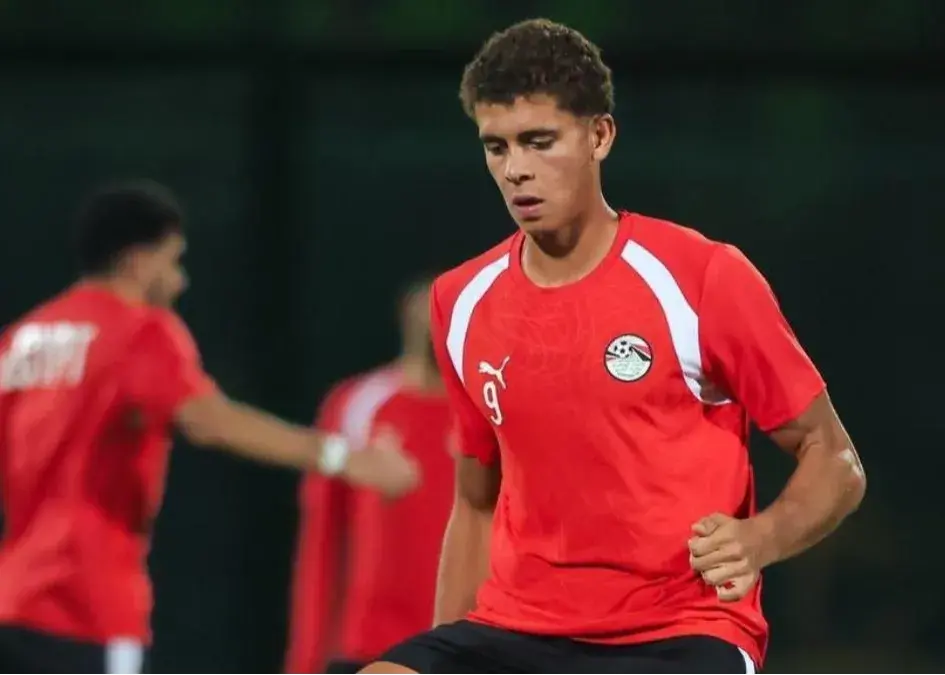
The 18-year-old striker's usage time management has been another point of contention. Several analysts argue that, to evaluate and accelerate the growth of an emerging talent, it is crucial to guarantee him a significant block of minutes, especially in private matches, where the result is not the only objective. The criticism therefore falls not only on the public reprimand, but also on the rotation strategy and opportunities in the current international window.
From Barcelona's side, the indications are confidence in the young man's path. The experience accumulated with the national team is seen as an important step in his development, and there is an expectation that Hamza will have more playing time in his upcoming commitments. Hansi Flick, coach of the Catalan club, is expected to gradually integrate the striker into the main team throughout the month of October, with the possibility of adding minutes against Getafe being admitted in Spain.
Immediately, the case rekindles an old theme in African and world football: how to balance the competitive demands of national teams with the need to protect and promote young promises. For now, the ball is in the court of Hossam Hassan, called upon to transform the controversy into an educational opportunity, and Hamza Abdelkarim, challenged to respond on the field with maturity and performance whenever a new opportunity arises.
What happens next
The discussion about the use of Hamza Abdelkarim in the national team is expected to continue, especially with pressure from former players and football experts. The next call-up could be an opportunity for coach Hossam Hassan to reconsider his approach, giving the young striker more minutes. The way the Egyptian team deals with this situation could influence the team's morale and the confidence of the younger players.
Frequently asked questions
Who is Hamza Abdelkarim?
Hamza Abdelkarim is an 18-year-old striker linked to Barcelona, considered a 'jewel' of Egyptian football due to his potential.
What was the controversy involving Hossam Hassan and Hamza Abdelkarim?
The controversy arose when Hossam Hassan, the Egyptian coach, reprimanded Hamza Abdelkarim on the field after a friendly against South Africa, which sparked debates about the management of young talent.
What was Khaled Qadallah's reaction to Hossam Hassan's attitude?
Khaled Qadallah, former football player
Al Ahly criticized Hossam Hassan for having publicly approached Hamza Abdelkarim, suggesting that the conversation should have taken place in the locker room.
How many minutes did Hamza Abdelkarim play in the friendly against South Africa?
Hamza Abdelkarim played less than half an hour in the friendly against South Africa.
Why is Hamza Abdelkarim's playing time management controversial?
Hamza Abdelkarim's playing time management is controversial because analysts believe it is crucial to give him more minutes to accelerate his growth as an emerging talent.