
Rudi Garcia on his dismissal at Napoli
According to Tuttomercatoweb.
Why this matters
Rudi Garcia on his dismissal at Napoli: "De Laurentiis fired me because he wanted to do my job" carries wider implications for the teams, players, and competition context discussed in this report.
Main conclusions
- Rudi Garcia on his dismissal at Napoli.
- Rudi Garcia revisited Napoli's early departure from coaching and stated that the dismissal was decided by Aurelio De Laurentiis for insisting on fully exercising his role.
- Garcia and l'esonero al Napoli: "De Laurentiis mi mandò via perché volevo fare il my mestiere".
Rudi Garcia once again spoke openly about his brief spell on the Napoli bench. The French coach, who only lasted four months in the role, recalled the outcome of the experience in the capital of Campania and was adamant about the reason for the break: “De Laurentiis fired me because he wanted to do my job”. A strong phrase that reflects, in his own words, the existence of differences with president Aurelio De Laurentiis regarding day-to-day management and the coach's autonomy.
Garcia took over at Napoli in the aftermath of a historic season, in which the Neapolitans won the Scudetto. He therefore inherited a context of enormous pressure and maximum expectations, typical of a defending champion who intended to remain among the Italian and European elite. The start was, however, far from what was desired, with fluctuations in performance and results that fueled external contestation and internal debates regarding the direction of the sporting project.
The experiment ended after just four months, a decision formalized by Aurelio De Laurentiis. The Frenchman now emphasizes that he insisted on fully carrying out his technical duties – from preparing games to strategic choices – and that this desire would have clashed with the club leader's vision. Without going into details, the reading that leaves is that of a relationship marked by different understandings about the boundaries of action between coach and management.
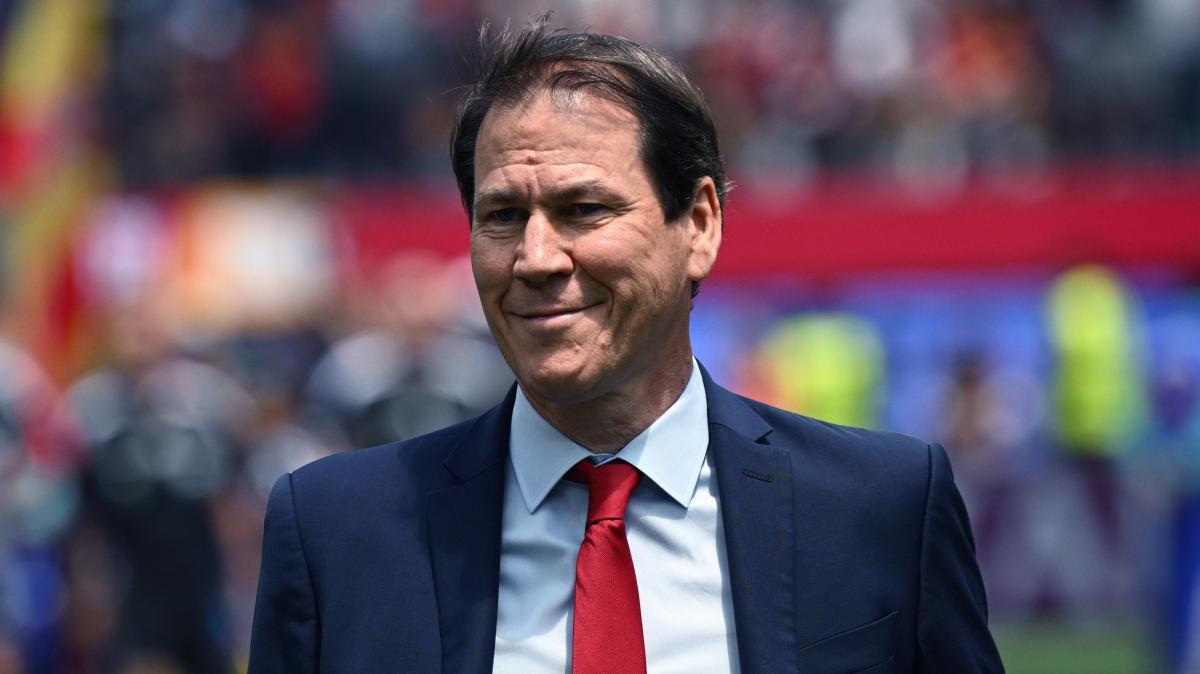
Garcia's time in Naples was therefore linked to a period of instability, symptomatic of the difficulties that many champion teams face in the year following a title. Reconfiguring processes, renewing motivation and managing the demands of competing on several fronts are challenges that, when they do not find balance, are quickly reflected on the pitch and off it. In the case of Napoli, the need for immediate responses weighed on the presidential decision to change the technical command after a short cycle.
Without adding new revelations, Rudi Garcia simply reinforces his perspective: he tried to implement ideas and work routines in accordance with his understanding of the position, but came up against the president's structure and will. The episode illustrates a recurring tension in modern football between the coach's authority and the intervention of management, especially in clubs with maximum ambitions and permanent scrutiny.
For Napoli fans, these statements revive a recent chapter in an era of great ambition. For Garcia, it was a clarification about an early departure that marked his career, making it clear that, in his view, what was at stake was the freedom to lead the technical team as he considered appropriate.
What happens next
The next phase should bring official updates, squad decisions, and a clearer picture of what this means on the pitch.