
Rooney in shock: "At the height of my career I thought about suicide.
According to Tuttomercatoweb.
Why this matters
Rooney in shock: "At the height of my career I thought about suicide. I locked myself at home and drank" carries wider implications for the teams, players, and competition context discussed in this report.
Main conclusions
- Rooney in shock: "At the height of my career I thought about suicide.
- Wayne Rooney's harsh confession about mental health in elite football: at the peak of his career he thought about suicide and took refuge in alcohol, despite the great successes he achieved.
- Rooney shock: "All'apice della carriera ho pensato al suicidio. Mi chiudevo em casa e bevevo."
Wayne Rooney, one of the most notable names in 21st century English football, made a stark revelation about the behind-the-scenes of his success. "At the height of my career I thought about suicide. I locked myself at home and drank", he confessed, in a testimony that exposes the invisible face of the pressures of high performance and that contrasts with the public image of a champion accustomed to winning.
Behind the decisive goals and the trophies lifted, Rooney admits to having gone through a period of deep pain. The phrase, raw and direct, illustrates how constant demands, media exposure and permanent scrutiny can corrode even the greatest figures in the game. At 16, he was already shining at Everton; At 18, he exploded at Euro 2004 and, shortly afterwards, transferred to Manchester United, where he would become an idol at Old Trafford. This meteoric rise brought titles, fame and records, but also an emotional weight that, now, the former striker does not hide.
Rooney built a career full of achievements: several Premier Leagues, domestic cups and the 2007/08 Champions League, as well as becoming the top scorer in Manchester United's history. In the English team, he was the main scorer for years, a status that he only recently gave up. But his confession shows that even at the top, the mental battle can be silent and devastating. Isolating himself at home and resorting to alcohol were, according to him, escape mechanisms at a time when, seen from the outside, the applause drowned out any sign of suffering.
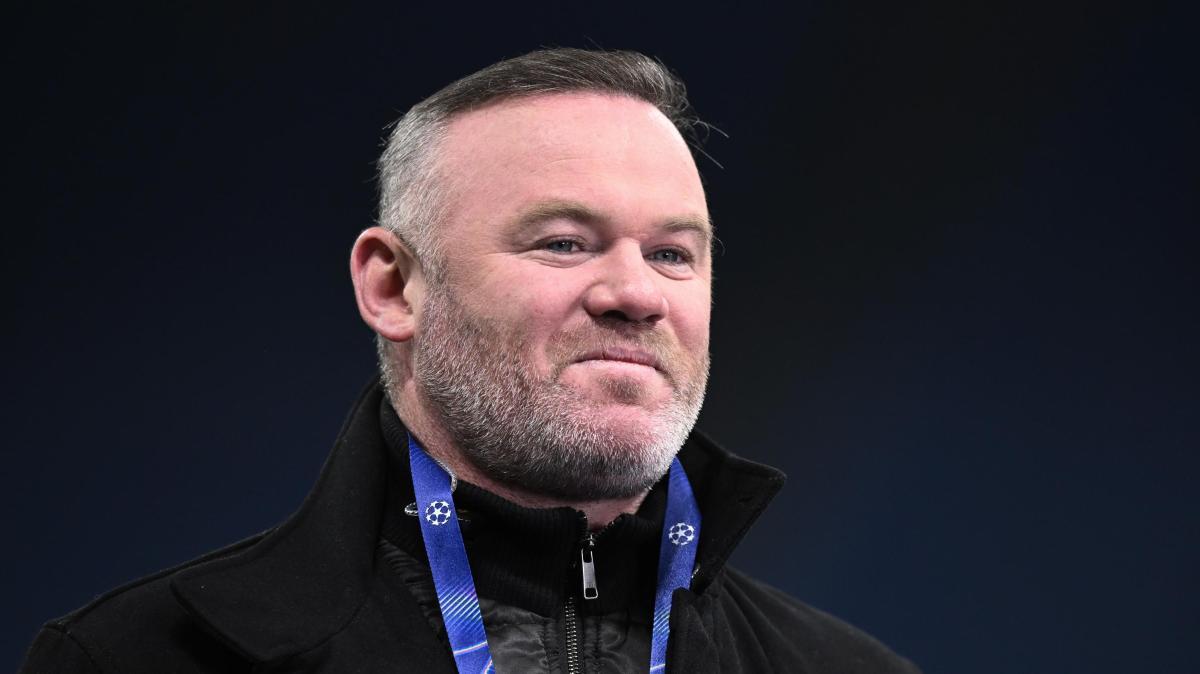
Rooney's testimony reopens the debate about mental health in elite football. In recent years, clubs and federations have reinforced psychological support structures, aware that an athlete's preparation is not limited to physical and tactical aspects. The intensity of the calendar, the pressure to perform week after week and constant public surveillance – now amplified by social media – create an ecosystem where vulnerability rarely finds space to be expressed.
By sharing his experience, Rooney helps break taboos and legitimize calls for help. For many fans, the image of the tireless striker who played with spirit and hunger for goals seemed incompatible with internal weaknesses. The reality, however, is that athletes are human and admitting weakness can be the first step to recovery. The message that remains is clear: talking matters, seeking support is essential and sporting success does not immunize against emotional suffering.
The former England international's confession comes as a warning to the industry: protecting players' mental health is as crucial as preventing muscle injuries. And it can ultimately save lives. Rooney, the greatest symbol of British football, now also sets an example off the field – with honesty and courage.
What happens next
The next phase should bring official updates, squad decisions, and a clearer picture of what this means on the pitch.