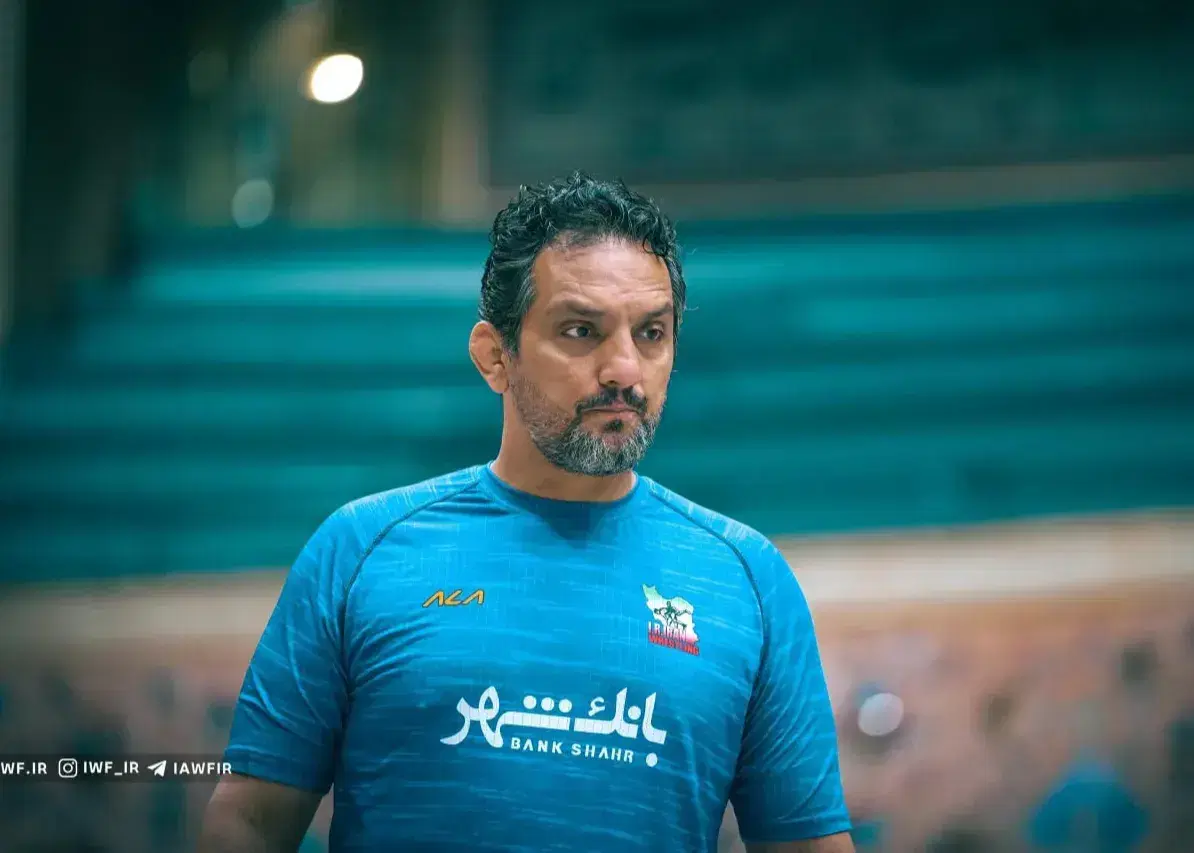
Pezhman Dorostkar: «The minister can criticize»
According to Varzesh3.
Why this matters
Pezhman Dorostkar's clarification on the Sports Minister's criticisms is relevant, as it highlights the importance of communication between sports management and the technical team. The relationship between the selector and the minister could influence the preparation and performance of the Iranian wrestling team, especially as international competitions approach.
Main conclusions
- Pezhman Dorostkar: «The minister can criticize».
- Iranian national wrestling coach, Pezhman Dorostkar, says that the Sports Minister's words were spoken four months ago, after the Kerman trials, and admits that he accepted the observations made.
- پژمان درستکار: وزیر میتواند انتقاد کند | ورزش سه.
Pezhman Dorostkar, Iran's national wrestling (freestyle) coach, reacted to recent headlines surrounding alleged criticism from the Minister of Sports and Youth, stressing that the statements now circulated are not current. According to the coach, the conversation with the official took place around four months ago and was related to the national team selection tests held in Kerman.
«These words are not new and it is strange that they have circulated in this way again», stated Dorostkar, recalling that the ministerial contact arose following the trials that defined choices for the selection. On that occasion, several strong figures from Iran went to fight, including Amirali, Hassan Yazdani, Younes Emami, Amir Mohammad, Mobin Azimi and Firoozpour, in an internal tournament that helped guide technical decisions for major international commitments.
The coach also explained that the minister, with extensive experience in sports management, "can and should present recommendations" to the team's technical staff, something he considers natural given the role he occupies. «As president of the country's sport, he has the legitimacy to issue warnings; we also listened to them and drew conclusions", he said, noting that the observations were seen as contributions to fine-tuning the team's competitive and logistical processes.
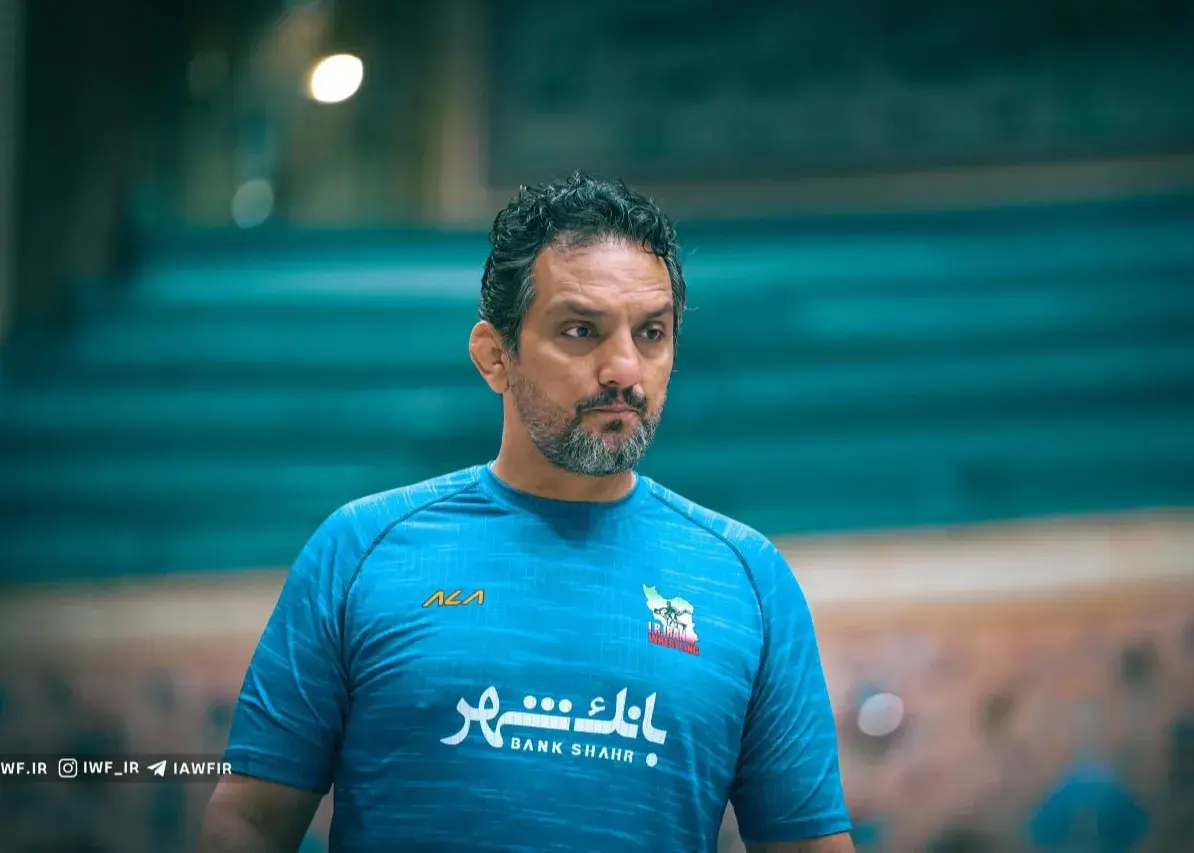
Dorostkar's clarification came after the end of the participation of Iranian fighters in the Asian Games in Nagoya, a moment in which the internal balance gained media attention. The selector therefore decided to contextualize the content and timing of the ministerial call, avoiding readings that could suggest recent interference in the technical work.
The Kerman trials, mentioned by the coach, served as a key stage in the preparation of the Iranian team, providing minutes of competition between direct candidates for international places and offering the coaches objective data for the call-ups. In countries with a top wrestling tradition, such as Iran, these internal tournaments are crucial for assessing shape, weight, tactical adaptability and consistency under pressure.
Dorostkar also highlighted the minister's profile, someone “connected to sport for many years” and “with a study habit”, reinforcing that dialogue between guardianship and technical team is common and, when constructive, can help to correct details. The selector's main message therefore involves separating the noise from the context: the statements that have now gone viral refer to an old work conversation, subsequent to Kerman's trials, and were received as useful notes, not as interference.
Without going into individual assessments of the athletes mentioned, the coach preferred to focus on the methodology and the path to follow, highlighting that the selection will continue to rely on clear competitive criteria in its choices, with the aim of keeping Iran among the world's wrestling powers. The focus, he guarantees, is on rigorously preparing the next commitments, learning from each tournament and from each observation shared within the country's sporting structure.
What happens next
With the Nagoya Asian Games recently concluded, Iran's technical team, led by Dorostkar, is expected to analyze the results and implement the minister's recommendations. Continuing dialogue between the technical staff and sports administration will be crucial for success in future competitions.
Frequently asked questions
What happened to Pezhman Dorostkar?
Pezhman Dorostkar, Iran's national wrestling coach, clarified a controversy related to alleged criticism from the Minister of Sports, stating that the statements are not current and that the conversation took place about four months ago.
Who confirmed the statements about the Minister of Sports?
Pezhman Dorostkar confirmed that the statements made by the Minister of Sports and Youth are not recent and that the conversation took place after the national team selection tests.
Why has controversy arisen over the minister's statements now?
The controversy arose after the
completion of the participation of Iranian fighters in the Asian Games in Nagoya, a moment in which the internal balance gained media attention.
What changes were mentioned by Dorostkar in relation to the team's work?
Dorostkar mentioned that the minister's observations are seen as contributions to fine-tuning the team's competitive and logistical processes.
What was the context of the selection tests mentioned by Dorostkar?
The selection tests took place in Kerman and involved several top fighters from Iran, helping to guide technical decisions for international commitments.