To which clubs did the 'inflated' money flow from
According to Sports.
Context
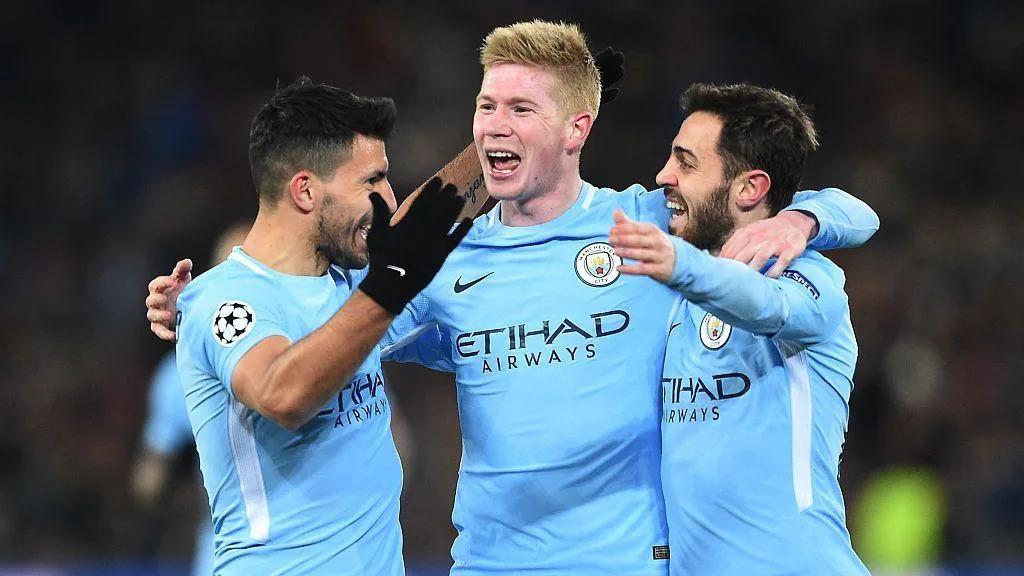
Manchester City, over the last decade, has become one of the most prominent clubs in world football, with players such as Kevin De Bruyne and Raheem Sterling playing crucial roles in its success. Transfer analysis reveals not only the amounts paid, but also how these investments contributed to the development of talent and competitiveness in the Premier League. The impact of City's transfers is visible at clubs such as VfL Wolfsburg and AS Monaco, who benefitted financially from the sales.
Why this matters
Manchester City's investment in the transfer market between 2009 and 2018 had a significant impact on the financial dynamics of football, especially in the Premier League. With over £1.2 billion spent, City have not only strengthened their own squad but also enriched other clubs, contributing to a more robust ecosystem. Transfer analysis reveals how 'inflated' money helped shape competitiveness within the league and the evolution of various clubs.
Main conclusions
- To which clubs did the 'inflated' money flow.
- Analysis reveals where Man's investment went.
- Which clubs did Man City's 'inflated' money flow to in transfer market? - Yahoo Sports.
Where did Manchester City's “inflated” money in the transfer market go? BBC Sport tracked the funds spent by citizens between 2009 and 2018, a period in which an independent commission concluded that the club inflated its accounts by more than £900 million. During this period, City invested around £1.2 billion in players (around £900 million in net expenditure), more than any other team, an effort that was decisive in building the club's domestic hegemony — a sum that, the commission argues, would have been substantially lower if financial rules had not been broken.
The investigation focuses on the circulation of money between City and other clubs and its impact on the football ecosystem. Transfers are not limited to the amount paid to the selling club: they also include agent commissions, legal and administrative costs, as well as signing bonuses, which spreads the funds across multiple actors that are difficult to track. Still, it is possible to map the fundamental transactions: between the summer of 2009 and the winter of 2018, Manchester City paid transfers to 46 clubs from 19 championships. In several cases, these were record values for selling emblems.
The distribution of spending shows a wide range, with special weight in the Premier League: a little more than a quarter of the total amount went to clubs in the English top flight. City signed players from eight Premier League clubs and eight La Liga clubs. There was also around £13 million invested in two players from the Championship.

The purchasing power of citizens helped drive prices and wages up across the industry. However, receiving losses from stars did not guarantee success for those who sold. Two illustrative cases: Wolfsburg, which made money through the sale of Kevin De Bruyne in 2016, channeled around half of that money to Julian Draxler and also brought in Dante, but fell from 2nd to 8th in the Bundesliga and then experienced periods of struggle due to maintenance. Monaco, who sold Benjamin Mendy and Bernardo Silva in the same summer, bet on Terence Kongolo and Keita Baldé, options that did not work out in the long term; From French champion and Champions League semi-finalist he started to fight to avoid relegation in two years.
Interestingly, the club from which City bought the most players during this period was Arsenal (four athletes), without the Gunners achieving a real assault on the English title during this era. In Portugal, Benfica and FC Porto received similar amounts from City, while Sporting received nothing directly; the lions were not champions between 2009 and 2018 — a fact that fuels the question: did their rivals benefit from a flow of money that, under normal conditions, might not have existed?
The ripple effect also affected clubs without direct negotiations with City, via added value clauses. Queens Park Rangers earned around £9 million from Raheem Sterling's move from Liverpool to Manchester in 2015. Barnsley received close to £7 million from John Stones' transfer from Everton in 2016, and the Toffees also had to hand over approximately £2.5 million to Wolverhampton when Joleon Lescott moved to Manchester in 2009. These sums bolstered the treasury of QPR and Barnsley, albeit without guarantees. sports: the Londoners did not return to the Premier League and Barnsley ended up falling from the Championship to League One after two seasons.
In short, Manchester City's investment in this cycle — marked, according to the independent commission, by irregular financial practices — had a profound impact on the club's own trajectory, on the finances of dozens of clubs and on the global football economy. It is, however, impossible to “undo” the tapestry of the last decade: the direct and indirect effects of this money will continue to echo for many years.
What happens next
As Manchester City appeal the independent commission's decision, attention is on how it will affect future moves in the transfer market. The pressure to remain competitive could lead the club to explore new recruitment strategies during the next transfer window. Furthermore, the way clubs in the Premier League and other leagues respond to this situation could influence market behavior and the valuation of players.
Frequently asked questions
Who is the main player mentioned in the article?
The main player mentioned in the article is Kevin De Bruyne.
Which clubs received money from Manchester City between 2009 and 2018?
Clubs that have received money from Manchester City include Arsenal, AS Monaco, VfL Wolfsburgo, Benfica and FC Porto.
Why did Manchester City invest so much in the transfer market?
Manchester City invested so much in the transfer market to build its domestic hegemony.
What was the total amount invested by Manchester City in players?
Manchester City invested around £1.2 billion in players between 2009 and 2018.
When was the investigation into Manchester City's finances carried out?
The investigation focuses on the period between 2009 and 2018.