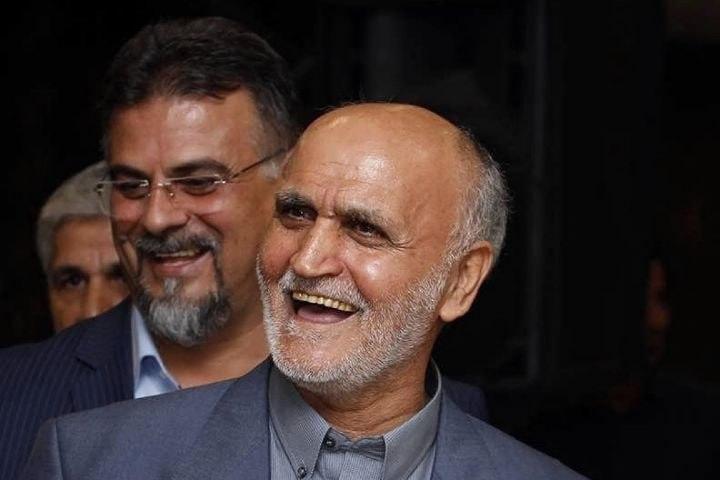
Oliaei: "Sohrab's masterpiece is not enough — Esteghlal has
According to Varzesh3.
Why this matters
Kazem Oliaei's praise for سهراب بختیاریزاده highlights the importance of the coach for Esteghlal and Iranian football. The Asian Champions League victory against Al Sadd is a milestone, but Oliaei stresses that a single success is not enough to guarantee a solid future. The need for a sustained project and stable direction is crucial for the club's continued development in the Iran Professional League.
Main conclusions
- Oliaei: "Sohrab's masterpiece is not enough — Esteghlal has it.
- Kazem Oliaei, former president of Esteghlal, praises Sohrab Bakhtiarizadeh's work at the beginning of the season and asks the club to support him with a sustained project, permanent management and recovery of facilities, also remembering the impact of the absence of the Azadi Stadium.
- اولیایی: ورزش سه.
Kazem Oliaei, former president of Esteghlal, praised Sohrab Bakhtiarizadeh's work in the first weeks of the season and stressed that the recent Asian victory against Al Sadd should serve as a starting point for a sustained project, and not an ending point. In statements reproduced in the Varzesh3 Live space, the former manager said that the young coach is “one of the assets of Iranian football” and that his maintenance and development must be the club's strategic priorities.
"Esteghlal appeared competitive in the first rounds with a young and ambitious team. The international triumph against Al Sadd is an achievement that deserves to be highlighted, but one achievement is not enough: Sohrab must be reinforced", stressed Oliaei, highlighting that the investment in the coach must be accompanied by means, structure and stability so that he can consolidate himself as a reference in the club and, potentially, in the national football panorama.
For the former president, the first measure is to clarify executive leadership. Oliaei warned of the risks of extending management on an interim basis, without a coherent plan: when there is no permanent executive director, decisions tend to be made “on a daily basis” and teams slip into improvisation. “Esteghlal needs a medium and long-term program, not daily management”, he stressed, calling for the rapid appointment of a stable management team and the presentation of a roadmap for the future.

Oliaei also focused on restoring the club's infrastructure, which he considers essential for a high-performance culture. He revealed that he had sent letters to Ali Askari, Shariatmadari and Tajernia to speed up the recovery of centers and spaces previously associated with the old Taj, the predecessor of Esteghlal. “A club without an adequate training field, functional stadium, pavilion and equipment is just a team, not an institution”, he summarized. He also recalled that more than 88% of the share capital is concentrated in a group of shareholders with the capacity to unlock these processes, also calling for the reactivation of young people and other modalities under an integrated vision.
In terms of continental competition, Oliaei recognized that Asian football has evolved at various levels — organization, investment and quality — while Esteghlal, in different areas, has “stagnant”. In this context, conquering Asia again today becomes “very difficult, almost impossible” without structural reforms. Still, the victory over Al Sadd is seen as an indicator of potential, as long as there is continuity and institutional support.
The former leader also lamented the unavailability of the Azadi Stadium, a historic venue for crowds in Tehran, arguing that its absence “harms all of football in the country”. For Oliaei, the home factor and massive support from fans have always been strengths of Esteghlal and Iranian teams in continental competitions. “It is urgent to return Azadi to the competitive calendar, for the good of the team, internal competitions and the reputation of Iranian football”, he reinforced.
Finally, Oliaei made a point of respecting the legacy of the various presidents who passed through the club, including mentioning Ali Fathollahzadeh, but stressed that the results of his own mandate “are undeniable”, explaining that the current lower visibility is due to the generational change in the media ecosystem and the lack of knowledge on the part of the public regarding Esteghlal's history.
What happens next
Esteghlal should seriously consider Oliaei's recommendations, especially with regard to the appointment of permanent executive leadership. The lack of a long-term plan could hinder the club's progress, especially with a young and promising team. Focus on infrastructure and support for سهراب بختیاریزاده will be vital in ensuring that Esteghlal continues to be competitive in both the Iran Professional League and the Asian Champions League.
Frequently asked questions
What did Kazem Oliaei say about Sohrab Bakhtiarizadeh?
Kazem Oliaei praised the work of Sohrab Bakhtiarizadeh, stating that he is one of the assets of Iranian football and that his maintenance and development should be the club's strategic priorities.
What was the recent achievement of Esteghlal mentioned by Oliaei?
Oliaei mentioned Esteghlal's recent victory against Al Sadd as an achievement that should serve as a starting point for a sustained project.
Why is it important to reinforce Sohrab Bakhtiarizadeh now?
Oliaei dest
It has come to light that, despite the initial success, a single achievement is not enough and that Sohrab must be reinforced with means and structure to consolidate himself as a reference at the club.
What changes does Oliaei suggest for Esteghlal?
Oliaei suggests clarifying executive leadership and appointing stable management to avoid interim management and promote a medium and long-term program.
What did Oliaei mention about the club's infrastructure?
Oliaei emphasized the importance of recovering the club's infrastructure, considering it essential for a high-performance culture, and revealed that he had sent letters to several people to accelerate this recovery.