
Messi continues to be chosen to score penalties in Argentina
According to Vi.
Context
Lionel Messi, at 39 years old, maintains a crucial role in the Argentine national team, with his experience and skill in decisive moments being fundamental to the team's success in the 2026 World Cup. Despite some recent failures in taking penalties, coach Scaloni's confidence in Messi reflects his importance and influence within the group. The relationship between Messi and his teammates is vital to the dynamics of Argentina's game.
Why this matters
Lionel Scaloni's decision to keep Lionel Messi as the Argentine national team's main penalty taker underlines the trust the coach has in the player, even after some mistakes. Messi, being the top scorer in the history of the World Cup, brings valuable experience that could be decisive for Argentina in the search for success in the 2026 World Cup. Messi's presence not only influences the team's morale, but also the game strategy, attracting the attention of the opponents.
Main conclusions
- Messi continues to be chosen to score penalties in Argentina.
- Lionel Messi, despite missing penalties, continues to be coach Scaloni's favorite for taking penalties, which highlights his special position in the Argentine team.
- Lionel Messi remains central to Argentinië's plans.
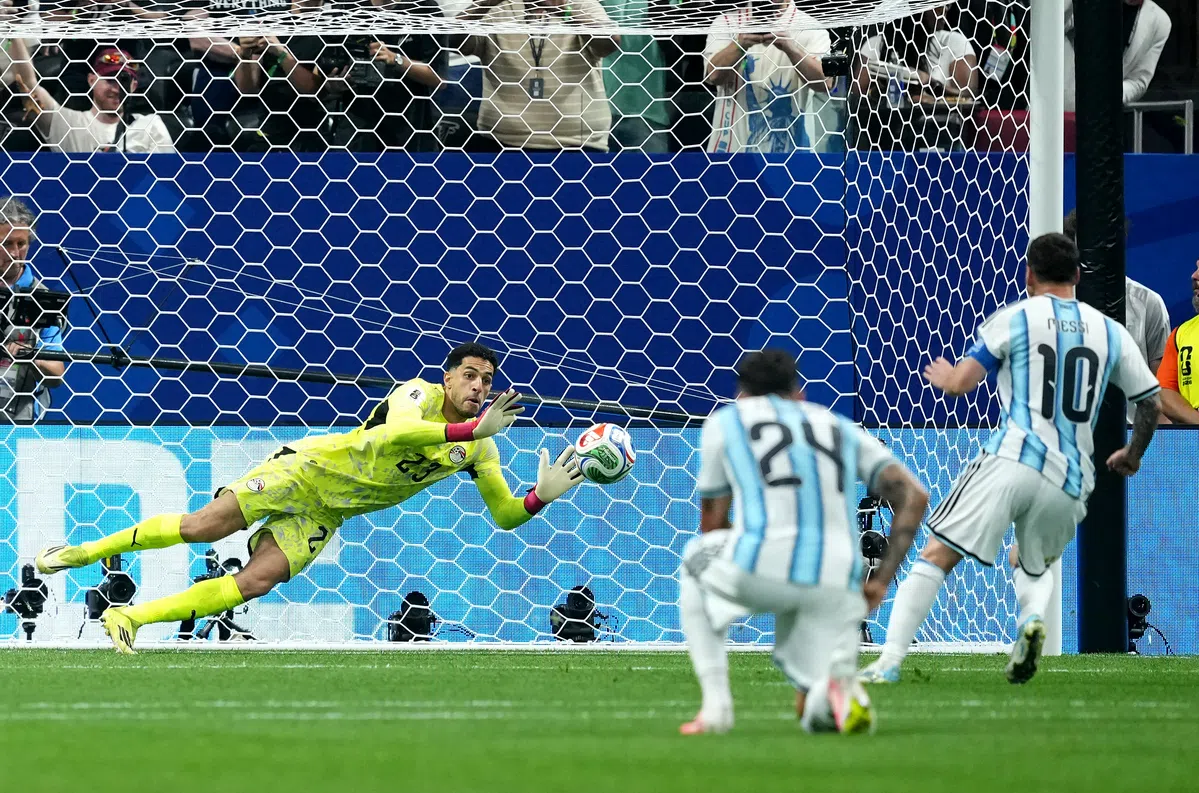
Lionel Messi, the star of the Argentine national team, continues to enjoy a privileged status under the leadership of coach Lionel Scaloni, even after missing a penalty in games against Austria and Egypt during the 2026 World Cup. Scaloni made it clear that Messi will not be removed from the list of penalty takers, highlighting his importance and influence on the Argentine team.
In a recent press conference, Scaloni commented on the topic, emphasizing that, despite Messi having missed three of his last seven penalties, it is still the player who must assume this responsibility, whenever he wishes. "He makes the decisions about whether or not he wants to score. We have other players who are also capable, but if Messi wants to score, he will," Scaloni said.
This kind of confidence is not surprising considering Messi is the top scorer in World Cup history, and his experience in decisive moments is invaluable for Argentina. During the tournament in Qatar, Messi was successful in four of his penalty shots, which shows that, despite some mistakes, his success rate is still quite high.
The relationship between Messi and the team is evident, and the way he attracts the attention of opponents is crucial to Argentina's style of play. Even at 39 years old, the star continues to play a central role, attracting the opposing defense and creating opportunities for his teammates. "It's a normal process and happens naturally during the game. Our team, especially the players around him, are always focused on him. Of course he creates danger, as we saw against Egypt", concluded Scaloni.
Argentina, now on their way to the semi-finals of the tournament, will once again count on the leadership of Messi, who, despite difficulties on penalties, remains a central figure in the quest for the world title. With all the attention on him, expectations are high for what he can do in the next challenges.
As the Argentine national team progresses in the competition, the confidence in Messi to take responsibility for penalties only seems to solidify his position as one of the great icons of world football.
What happens next
With the next phase of the 2026 World Cup approaching, it is expected that Messi will continue to be a central figure in the Argentine national team, especially in critical moments such as taking penalties. Scaloni's trust in Messi could be tested in future games, where the pressure will be high. The way Messi handles this responsibility could impact not only Argentina's performance, but also his own trajectory in the competition.
Frequently asked questions
What happened to Messi on penalties during the 2026 World Cup?
Messi missed a penalty in the games against Austria and Egypt.
Who confirmed that Messi will continue to score penalties for Argentina?
Coach Lionel Scaloni confirmed that Messi will not be removed from the list of penalty takers.
Why is Messi still chosen to score penalties in Argentina?
Scaloni highlighted Messi's importance and influence on the team, in addition to his experience in decisive moments.
What changes have occurred in Messi's responsibility in relation to penalties?
There were no changes; Scaloni stated that Messi will continue to take responsibility for taking penalties whenever he wishes.
What is Messi's success rate on penalties in the World Cup?
During the tournament in Qatar, Messi was successful in four of his penalty shots.