
Effect of the new rules at the World Cup has faded: pauses
According to Vi.
Context
The new rules for the 2026 World Cup, which include measures against wasting time and mandatory hydration breaks, were designed to speed up the game. However, the effectiveness of these changes is in question, as useful playing time has not increased as expected, reflecting a challenge for FIFA in managing the tournament.
Why this matters
The new rules implemented at the 2026 World Cup aimed to increase the fluidity of the game, but the positive impact was offset by hydration breaks. Although the number of interruptions has decreased, the percentage of useful game time has not improved, which can affect spectators' experience and the dynamics of matches. This scenario raises questions about the effectiveness of the new rules and the need for future adjustments to maximize playing time.
Main conclusions
- Effect of the new rules at the World Cup has faded: pauses.
- New rules at the 2026 World Cup lowered the number and average duration of interruptions, but hydration breaks returned most of the time gained to the clock, resulting in less useful time than in the previous edition.
- Effect nieuwe WK-regels verdampt door drinkpauzes.
The new rules introduced at the World Cup with the aim of speeding up the game had an immediate effect in reducing stoppages, but the final impact ended up being mitigated by hydration breaks. According to data from Opta, the number of interruptions per game fell significantly compared to previous editions of this century, but, in proportional terms, the ball ended up rolling for less time than four years ago.
The regulatory package applied in this edition included faster action against lost time in substitutions and restarts, as well as the obligation for players to remain off the pitch for one minute after medical assistance. These measures, designed to discourage anti-gambling and shorten dead moments, had a measurable effect: for the first time in this century, a World Cup match recorded, on average, less than a hundred interruptions. This summer, the value was set at 93 stops per meeting. In parallel, the average duration of each interruption also decreased slightly compared to the last two final phases.
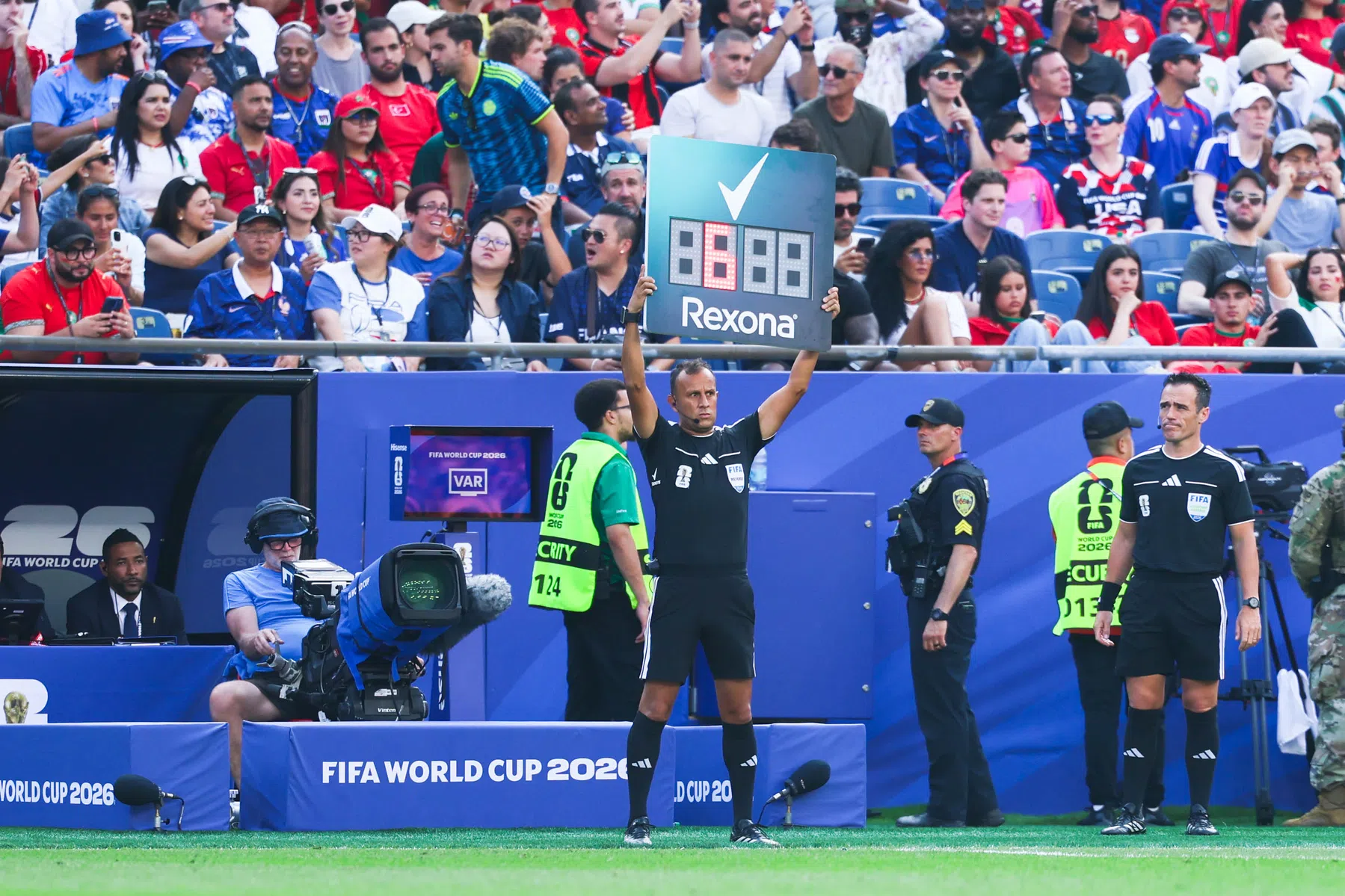
However, the gain obtained in these indicators did not translate into more useful playing time. The percentage of minutes with the ball in circulation was lower than in the previous edition, contrary to the expectations created by the new framework. The main explanation given is the incidence of hydration breaks, which ended up returning to the clock a significant portion of the time recovered in other moments of the game. In practical terms, what the new rules saved in substitutions and ball throw-ins was, to a large extent, compensated by these additional stops.
The trend leaves room for reflection among organizers and regulators: on the one hand, disciplinary adjustments to team behavior in moments of transition (substitutions and restarts) proved to be effective and helped to clear the noise from the game; on the other, the need for hydration breaks — with a clear operational impact — had enough weight to neutralize the expected advantage in good time.
Opta's numbers thus paint a mixed picture of this final phase: fewer total interruptions (93 per match, on average) and slightly shorter stops than in the last two editions, but, overall, a lower fraction of running games than four years ago. The debate remains open on how to balance player protection and competitive integrity with the ambition of increasing effective playing time, a point that FIFA has placed at the center of the regulatory discussion in recent years. For now, the conclusion is clear: the new rules helped, but the hydration breaks canceled out much of the temporal gain that was intended to be achieved.
What happens next
With the 2026 World Cup approaching, FIFA may consider revisions to the current rules to optimize playing time. Implementing new guidelines on hydration breaks or introducing other measures could be discussed to ensure the tournament achieves its desired objectives. Continuous analysis of the impact of the new rules will be crucial to the success of the event and fan satisfaction.
Frequently asked questions
What happened to the new rules at the World Cup?
The new rules introduced to speed up the game had an immediate effect in reducing stoppages, but were mitigated by hydration breaks.
Who confirmed the reduction in interruptions per game?
The data confirming the reduction in interruptions was provided by Opta.
P
Why is the impact of the new rules now being discussed?
The impact of the new rules is being discussed because, despite the reduction in interruptions, the percentage of minutes with the ball in circulation was lower than in the previous edition.
What changes were implemented in the rules?
The changes included faster action against lost time in substitutions and restarts, in addition to the obligation for players to remain off the pitch for one minute after medical assistance.
What did hydration breaks affect the game?
Hydration breaks ended up giving back to the watch a significant part of the time recovered by other measures, resulting in less useful gaming time.