
Marco is there, but it doesn't make itself felt
According to Tuttomercatoweb.
Context
Andrea De Marco, despite being officially responsible for relations between CAN and Serie A clubs, has not yet managed to establish an active role in the new arbitration structure. His previous experience in the role could be an asset, but the lack of integration with designator Daniele Orsato and the preference for Eugenio Abbattista complicate his situation.
Why this matters
Andrea De Marco's situation raises concerns about the effectiveness of communication between the FIGC and the National Arbitration Commission (CAN) in Serie A. His lack of involvement in CAN activities could affect the dynamics between referees and clubs, crucial to the integrity of Italian football. Furthermore, Daniele Orsato's preference for Eugenio Abbattista suggests a possible split in refereeing approaches within the league.
Main conclusions
- Marco is there, but it doesn't make itself felt.
- Andrea De Marco, FIGC responsible for relations between referees and Serie A clubs, has not been involved in CAN activity despite his appointment.
- From Marco c'è, ma non si senti: Orsato voleva Abbattista e non coinvolge il referent to the club.
Andrea De Marco is officially the FIGC's head of relations between the National Arbitration Commission (CAN) and Serie A clubs, but more than a month after his confirmation, his role has yet to find significant practical application. The issue seems to lie mainly in the new arbitration structure: designator Daniele Orsato did not have De Marco as his first choice and, until now, has not included him in CAN's activities. In fact, the new person in charge would have preferred Eugenio Abbattista, with whom he had previously worked in Series C.
The FIGC and Serie A, on the other hand, took a different decision, opting to keep De Marco, who already held the role last season, to the detriment of former assistant Abbattista. De Marco's absence from the preparation meetings is not an absolute novelty in the way he interprets such a delicate role, but the crucial point is that he still does not seem to be integrated into the operational circuit that Orsato is building. While the FIGC considers him fully in office, the CAN, until now, has operated without his true involvement.
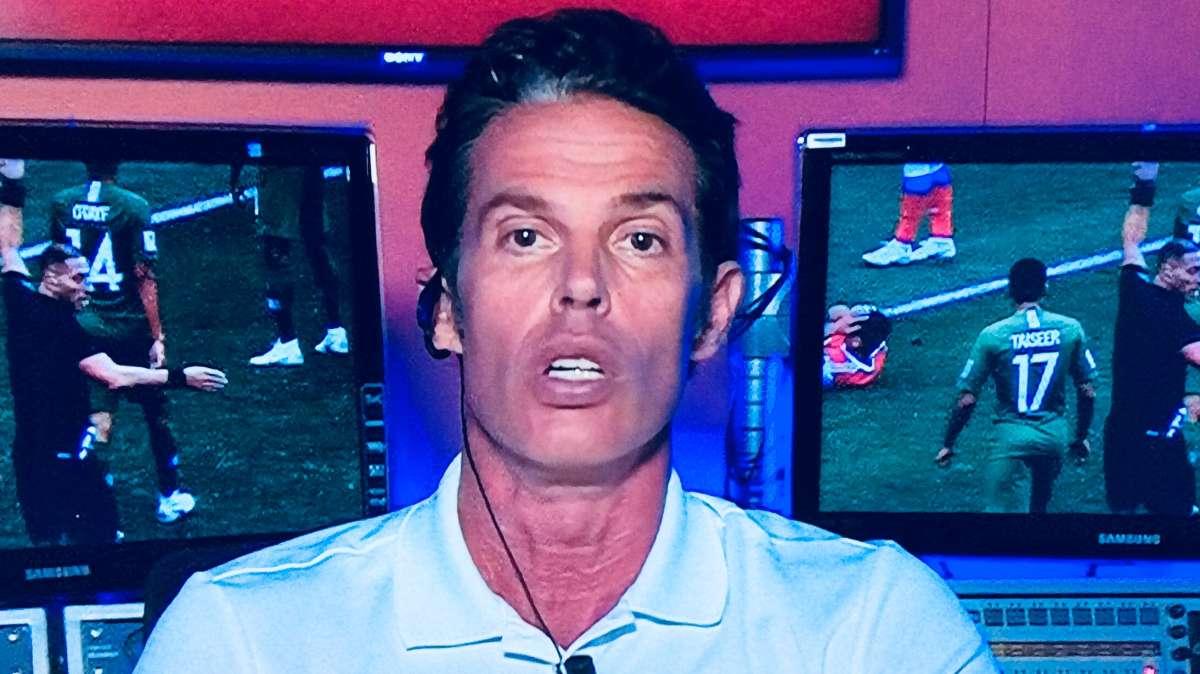
This situation raises questions about the effectiveness of communication and collaboration between the different entities of Italian football, as well as about De Marco's future in his new role. Their lack of participation in CAN training and events may indicate a disconnect in the organizational structure which, if not addressed, could lead to complications in managing relationships between referees and clubs, especially at a time when expectations are high and pressures are felt in all directions.
The continuation of this situation will be a cause for attention, as De Marco's ability to perform his role effectively could be crucial not only for the referees, but also for the integrity of the competition and the harmony in relations between clubs and football authorities. What is now expected is that the FIGC and CAN find a way to leverage De Marco's experience, ensuring that everyone involved in refereeing and competition can work cohesively and efficiently, thus avoiding any misunderstandings or tensions that may arise from this lack of communication.
What happens next
With De Marco's continued absence from CAN activities, the FIGC may be forced to re-evaluate its position and the effectiveness of his appointment. Pressure to improve collaboration between football bodies in Italy could lead to changes in the refereeing structure. How Orsato and De Marco resolve this disconnect will be crucial to the future of refereeing in Serie A.
Frequently asked questions
What happened to Andrea De Marco at FIGC?
Andrea De Marco has been confirmed as responsible for relations between the National Arbitration Commission and Serie A clubs, but has not yet had a significant practical application in his role.
Who confirmed Andrea De Marco as responsible?
The confirmation of Andrea De Marco as responsible was made by the FIGC and Serie A.
Why is De's situation now
Is Marco relevant?
De Marco's situation is relevant because, despite being considered fully in office by the FIGC, he is not yet integrated into the activities of the National Arbitration Commission, which could affect communication between referees and clubs.
What changes have occurred in the arbitration structure?
The new arbitration structure has Daniele Orsato as designator, who preferred Eugenio Abbattista over De Marco, leading to a lack of involvement by De Marco in the activities of the National Arbitration Commission.
What is the impact of De Marco's absence on CAN's activities?
De Marco's absence from CAN activities may indicate a disconnect in the organizational structure, which could complicate the management of relations between referees and clubs at a time of high expectations and pressure.