
Colombia: Cuadrado criticized for supporting De la Espriella; Petro
According to Tuttomercatoweb.
Context
Juan Guillermo Cuadrado, who recently left Pisa, is a prominent figure in Colombian football and has a history of involvement in social issues. Support for De la Espriella, a controversial politician, could have repercussions on his career and public perception, especially considering his violent family background.
Why this matters
The controversy generated by Juan Guillermo Cuadrado's support for Abelardo de la Espriella highlights the intersection between sport and politics in Colombia. Gustavo Petro's criticism not only reflects the political tension in the country, but also raises questions about the responsibility of athletes to speak out on social and political issues, especially when linked to historical traumas, such as the murder of Cuadrado's father.
Main conclusions
- Colombia: Cuadrado criticized for supporting De la Espriella; Petro.
- Gustavo Petro criticized Juan Cuadrado's support for Abelardo de la Espriella after a video call with Colombian internationals Yerry Mina, James Rodríguez and Juan Fernando Quintero, sparking heated discussion in Colombia.
- Colombia, the calciatore Square criticized for the support of De la Espriella.
Colombia experienced hours of intense public discussion after a video call between president-elect Abelardo de la Espriella and four leading figures of the coffee team — Yerry Mina, Juan Guillermo Cuadrado, James Rodríguez and Juan Fernando Quintero — came to light and set social media on fire. The support expressed by Juan Cuadrado for De la Espriella's political project was at the epicenter of the controversy and even motivated a reaction from the outgoing president, Gustavo Petro.
In his official accounts, Petro associated the position taken by the experienced Colombian international to a past of violence in the country, evoking the murder of the footballer's father in an area then marked by the presence of paramilitary groups. The head of state, who will leave office, wrote that he does not know who killed Cuadrado's father, but considered it "very likely" that it was armed men linked to drug trafficking who controlled the region, concluding with a direct warning to the player for now applauding those he describes as "the same men" returned to power.
Petro's message was published in response to Cuadrado's public support for the political project of Abelardo de la Espriella, known for conservative positions and leadership of the “Patria Milagro” (Miracle Homeland) movement. The digital interaction between the politician and the players — which would include words of encouragement and signs of alignment — quickly escalated into a national debate about the role and responsibility of public figures, in particular the national team's football players, when they speak out about electoral processes and power projects.
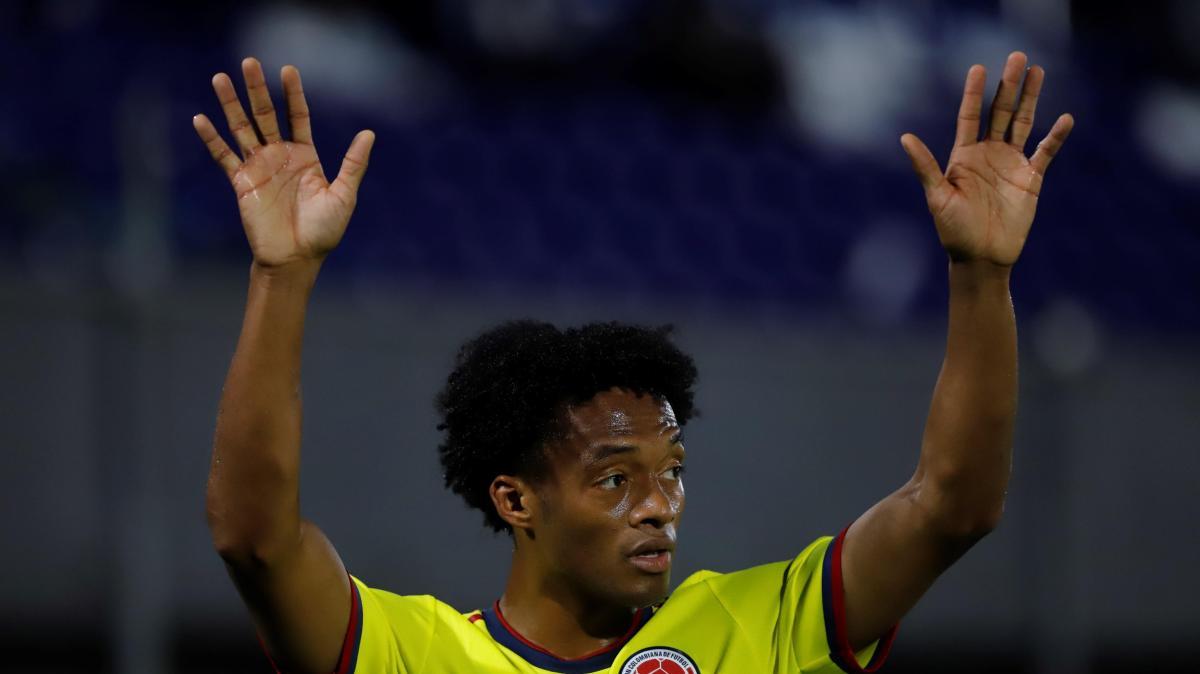
Juan Guillermo Cuadrado, one of the most experienced names in the Colombian national team and with a long experience in Italian football, was at the center of criticism, with several publications questioning the opportunity of the gesture and its context in the Colombian political moment. Yerry Mina, James Rodríguez and Juan Fernando Quintero, also present on the call, were also mentioned, although the main focus was on Cuadrado.
The controversy reinforces a recurring pattern in the relationship between football and politics in South America: players, often symbols of unity and national pride, also become involuntary protagonists of cleavages when they express preferences or open space for political interpretations of their actions. In Colombia, a country with historical wounds that are still sensitive, the border between the public projection of athletes and power dynamics proves to be especially tenuous.
So far, the episode has not generated official statements from the Colombian federation regarding the conduct of its international players. Already on the networks, reactions are multiplying, between voices that defend the players' individual freedom to express political support and others that highlight the symbolic weight of those wearing the national team's jersey, calling for prudence in periods of great public tension. The theme promises to continue to mark current affairs in the Andean country.
What happens next
The situation could lead to increased pressure on Cuadrado and other Colombian national team players to take a stand on political issues. Furthermore, Gustavo Petro's response could influence the way sportspeople engage in public debates, especially in such a polarized environment. The impact of this controversy could also affect Cuadrado's public image and his relationship with fans.
Frequently asked questions
What happened to Juan Cuadrado?
Juan Cuadrado was criticized for supporting Abelardo de la Espriella's political project, which generated intense public discussion in Colombia.
Who confirmed the controversy involving Cuadrado?
The controversy was confirmed by outgoing president Gustavo Petro, who reacted to Cuadrado's support for De la Espriella.
Why has the situation now become controversial?
The situation became controversial due to the video call between Cuadrado and other figures from the Colombian national team.
biana, who set social media on fire and raised questions about the responsibility of public figures.
What changes occurred after Cuadrado's support?
Cuadrado's support led to a national debate about the role of footballers in electoral processes and their responsibilities as public figures.
What was Gustavo Petro's reaction to Cuadrado's support?
Gustavo Petro expressed concern about Cuadrado's support, associating him with a past of violence in the country and suggesting that he was applauding those he considers responsible for that past.