
Malagò case, the commissionership and Mancini's future
According to Tuttomercatoweb.
Context
Roberto Mancini, current Italy coach, may face uncertainty in his role due to the Malagò case. His continued leadership of the Italian National Team could be influenced by any change in the governance of the FIGC. The situation highlights the interconnection between the administration of Italian football and the performance of the national team.
Why this matters
The Malagò case is crucial for the governance of Italian football, as the lack of tesseration could affect the legitimacy of the FIGC. The situation raises questions about the stability of the federation and could directly impact the Italy team and Roberto Mancini's continuity in office. Malagò's influence on Italian sport makes this case even more significant, given his role on the Italian Olympic Committee.
Main conclusions
- Malagò case, the commissionership and Mancini's future.
- Understand the implications of the Malagò case on the governance of Italian football, the FIGC commissionership scenarios and what it could mean for Roberto Mancini's role.
- Malagò case, the commissariat and the future of Mancini: everything that serves sapere.
The case relating to the alleged non-tesseration (federal registration) of Giovanni Malagò with the Italian Football Federation (FIGC) has become a central issue in Italy and could, according to various legal readings, call into question the very governance of the organization. In the background comes the term commissariat – the appointment of an extraordinary commissioner to manage the federation – and, inevitably, the possible consequences for the Italian National Team and for the future of Roberto Mancini.
Who is Malagò and why does tesseration matter? Giovanni Malagò is president of the Italian Olympic Committee (CONI) and a highly influential figure in transalpine sport. Tesseration is the federative registration that formalizes the link between an agent and the competent sporting body. The possible absence of this registration in functions that require inclusion in the FIGC opens a legal front with the potential to question acts, deliberations or institutional balances in the federation.
What is commissioning? In Italy, the commissioning of the FIGC may occur when there is an institutional blockage, serious irregularities or the impossibility of guaranteeing the normal functioning of the federative bodies. In these cases, an extraordinary commissioner is appointed to ensure day-to-day management and prepare a return to statutory normality. It is not an unprecedented scenario: in 2018, after the fall of the current leadership, the FIGC was managed by a commissioner appointed under the auspices of CONI, while federative life was reorganized.
What are the possible steps now? The evolution of the dossier involves, firstly, clarifying the legal framework of the role played by Malagò within the federative perimeter and confirming whether, in fact, there was a formal failure to register. From then on, it will be up to the sports justice bodies and competent bodies to assess the impact on deliberations and the need – or not – for exceptional solutions. Commissioning, if it exists, is always the last resort, adopted only when there is no other way to ensure legality and stability.
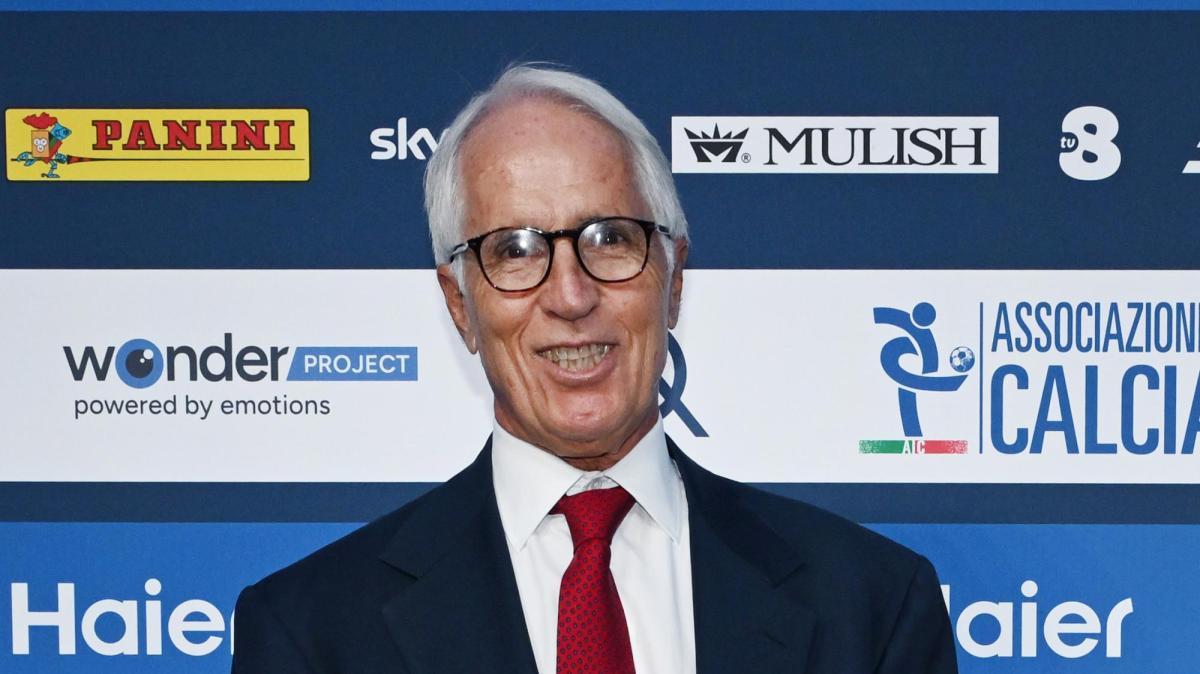
What about the Italy team and Mancini? In a framework of institutional transition, the priority is usually to preserve sporting continuity. Still, a federation under commissariat can reevaluate contracts, organizational charts and technical guidelines. Roberto Mancini, coach who led Italy to the title at Euro 2020 but who saw the Azzurri squad fail to qualify for the 2022 World Cup, remains a key figure in the sporting project. Any change in direction would depend on the new management's understanding of strategy, competitive goals and sustainability of the technical cycle.
What impact on Serie A? Although the FIGC and the Serie A League have their own bodies, changes at the federative level tend to be reflected in the broader ecosystem: regulations, calendars, relations with the arbitration sector and development policies can be influenced by an eventual reconfiguration at the top. For clubs, institutional stability is synonymous with predictability – a determining factor in years that accumulate European commitments and a dense calendar.
What remains to be clarified?
- Official confirmation of the legal framework of the case and the applicable tesseration status.
- Possible deliberations by sporting bodies on practical consequences.
- Need – or not – to move towards commissioning.
- Implications, if any, on the technical structure of the FIGC and on the continuity of Mancini's project.
For now, this is an open dossier that exposes how sensitive the border between form and substance is in the governance of Italian football. Legal clarification will be decisive in restoring tranquility to a structure that, in sporting terms, seeks to consolidate its recent legacy and prepare the next competitive cycle with ambition and stability.
What happens next
The next steps include a detailed legal analysis of the implications of Malagò's non-tesseration. If the situation is not resolved, it could lead to a commissariat of the FIGC, similar to what occurred in 2018. This could result in changes in the leadership and structure of the federation, affecting the management of the Italy National Team and the future of Roberto Mancini.
Frequently asked questions
What happened to Giovanni Malagò?
The case relating to Giovanni Malagò's alleged non-termination with the Italian Football Federation (FIGC) has become a central topic in Italy.
Who confirmed the situation in Malagò?
The situation of Giovanni Malagò was discussed in several legal readings that question his governance in the FIGC.
Why is Malagò's tesseration important now?
The possible absence of tesserament could open a legal front that questions the FIGC's acts and deliberations.
What is the FIGC commission?
FIGC commissioning occurs when there is an institutional blockage or serious irregularities, leading to the appointment of
an extraordinary commissioner.
What are the possible steps to follow in this case?
Steps include clarifying the legal framework of Malagò's role and confirming whether there has been a formal failure to register.