
Atalanta with change in organization chart: ends connection with the
According to Tuttomercatoweb.
Why this matters
The departure of director Fabris marks a significant change in the organizational structure of Atalanta, a club that has stood out in Serie A. This restructuring could impact the way the club approaches talent scouting and the management of its operations, crucial elements to maintain competitiveness in national and European competitions.
Main conclusions
- Atalanta with change in organizational chart: ends connection with.
- Atalanta made an adjustment to the organization chart and ended the connection with director Fabris, in an internal reorganization of the structure of the Bergamo club.
- Atalanta, change in organizational structure: ending rapport with the Fabris leader.
Atalanta made a change to its organization chart and ended its relationship with manager Fabris. The novelty, which appeared in Bergamo, marks an adjustment in the internal structure of “Dea”, at a time when the club continues to refine organizational processes to sustain the competitiveness achieved in recent seasons.
No additional details have been provided so far about the exact nature of the functions performed by Fabris or the reasons that led to the end of the collaboration. In any case, changes in the executive area are frequent in top clubs, following sporting cycles, redefinitions of functions and the need to align departments — from prospecting and training to operations and support for sporting areas — with strategic goals for the coming seasons.
Atalanta has distinguished itself by the consistency of its project and its ability to value players, remaining competitive in Serie A and with regular appearances in European competitions. This sustained growth is based not only on performance on the field, but also on the organization outside the four lines, where coordination between management, technical structure, scouting department and academy is crucial. It is in this context that a reconfiguration of the organizational chart can serve to optimize workflows and clarify internal responsibilities.
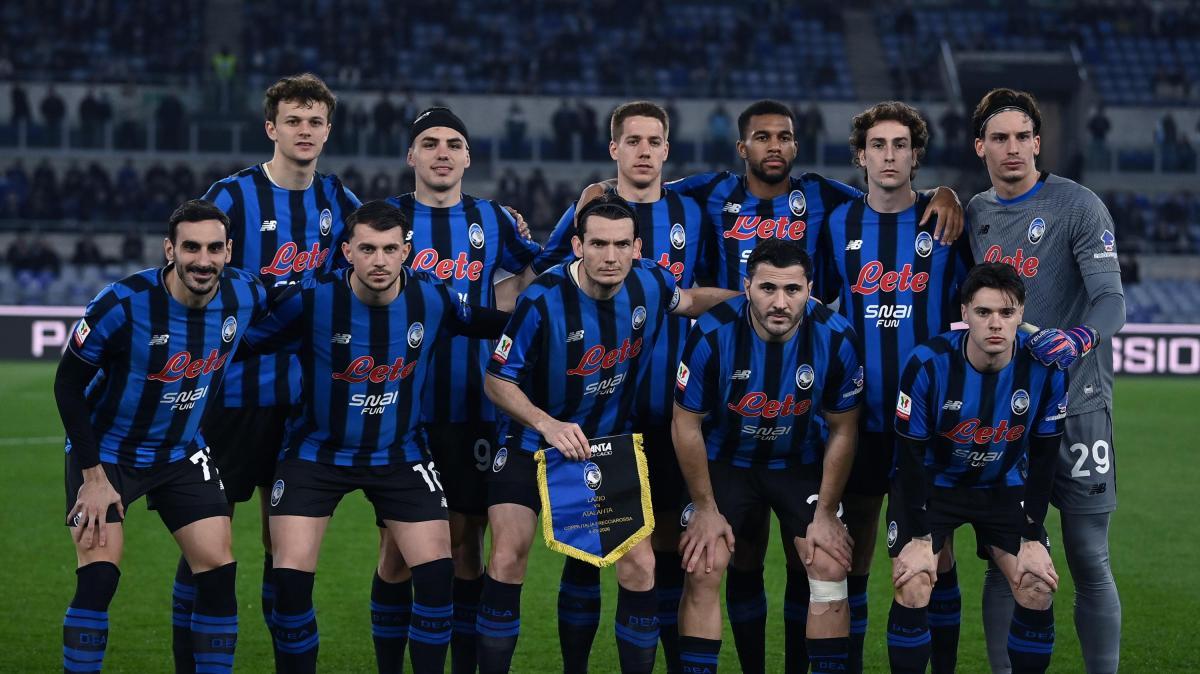
The departure of a manager often implies the redistribution of dossiers and the possible integration of new profiles, internal or external, in order to guarantee operational continuity. Without additional official information, it remains to be clarified whether Atalanta will promote a direct replacement for the vacant position or whether it will opt to adjust existing processes and teams to cover Fabris' functional scope.
For fans, the focus will naturally fall on the practical impact of this decision. In general terms, executive changes tend to be reflected in the medium term, especially in areas such as squad planning, contract negotiation, monitoring emerging talent and development of infrastructure or performance projects. In the short term, the priority is to ensure stability, protect routines and maintain the coherence of sporting decisions.
Without losing sight of the demands of Serie A, where management details make the difference in a highly competitive league, Atalanta seeks to align its structure with future ambitions. The confirmation of the end of the relationship with director Fabris marks another chapter in the constant fine-tuning of the Bergamo club's organizational model, which has sought to combine financial prudence, strategic vision and a competitive DNA recognized inside and outside Italy.
What happens next
With Fabris' departure, it is likely that Atalanta will begin a process of redistributing responsibilities within its structure. The club should focus on optimizing its workflows and clearly defining roles, ensuring that its strategy for the coming seasons remains aligned with its sporting and financial objectives.
Frequently asked questions
What happened to manager Fabris at Atalanta?
Atalanta ended its relationship with manager Fabris, resulting in a change in its organizational chart.
Who confirmed the change at Atalanta?
The move was announced by Atalanta, but no further details were provided about the nature of Fabris' duties.
Why did Atalanta make this change now?
The change comes at a time when the club is refining organizational processes to sustain the competitiveness achieved in recent seasons.
What changes could occur in Atalanta's structure after Fabris leaves?
The departure of a manager can lead to the redistribution of dossiers and the possible integration of new profiles, internal or external.
What are Atalanta's objectives with the reconfiguration of the organization chart?
The objectives include optimizing workflows and clarifying internal responsibilities, aligning departments with strategic goals for the coming seasons.