
Polverosi: "History says that the winning selectors almost
According to Tuttomercatoweb.
Context
Andrea Pirlo, with a career spanning 116 appearances for the Azzurri, is a respected figure, but his transition to coaching is viewed with skepticism. His close relationship with Maldini, his former Milan teammate, may have influenced the decision, but his lack of significant coaching experience raises doubts about his ability to lead the Nazionale at a critical stage.
Why this matters
The choice of Andrea Pirlo as Italy's future coach raises questions about the effectiveness of former players in leading teams. Alberto Polverosi, in Corriere dello Sport, highlights that many champion coaches were not national team stars, suggesting that experience as a player is not a sure indicator of success as a coach. This discussion is crucial for the future of Italian football, especially at a time when the Nazionale is looking for renewal.
Main conclusions
- Polverosi: "History says that the winning selectors almost.
- Italian journalist questions the option for Andrea Pirlo as future coach and maintains that the majority of champion coaches were not Nazionale figures as players.
- Polverosi: "The story tells me that I won't ever reach the maglia azzurra".
Paolo Maldini has barely taken office and is already facing challenges over his choice of Andrea Pirlo as Italy's future coach. The opinion is expressed by Alberto Polverosi in an editorial published in Corriere dello Sport,
"Paolo Maldini's first move was not convincing", writes Polverosi, considering that the decision to bet on Pirlo is "weak in relation to the level of casting" led by Giovanni Malagò and the new management team. In the editorialist's reading, Pirlo "has not yet demonstrated" that he is at the level required for the position, although he emphasizes that the evaluation of Maldini's (and Leonardo's) work must be broader and linked to the necessary "renaissance of Italian football", recognizing that confidence in the former Milan captain "resists".
Regarding Andrea Pirlo, Polverosi notes that his career on the bench “has not, until today, been as exciting as his career as a player”. Still, he understands the logic of the choice: Maldini knows him well, they shared a reference Milan team and the former midfielder has 116 caps for the Azzurri, just ten fewer than Maldini himself as a player. However, it is precisely here that the journalist introduces his central thesis: historically, the selectors who won World Cups and European Championships – or who came close to that – “almost never” were figures with a relevant past in the national team's jersey.
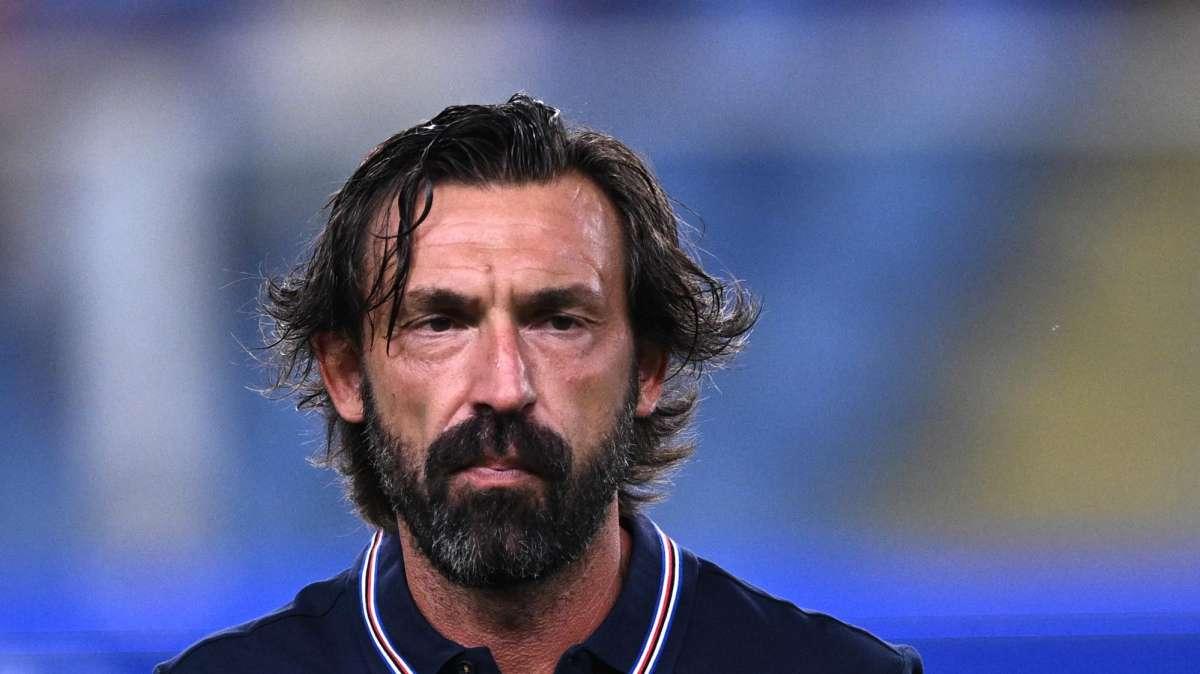
The editorial admits the exception of Roberto Mancini, but maintains that, in general, ideas, the ability to train and select, to form a group and create harmony count more than the coach's international past. To reinforce the argument, Polverosi evokes the example of the current Spain coach, Luis de la Fuente, remembering that his career as a player did not involve the main team and that this did not prevent him from building success on the bench.
The discussion around the ideal profile to lead a national team is not new in Italy. Between the weight of charisma and status as a former star and the consistency of a solid coaching career, the balance does not always tip towards the first factor. Polverosi looks at recent history and uncovers a pattern: success on the big stage tends to be more associated with technical skills, leadership and the ability to manage the dressing room than with a CV full of international caps.
At a time when the structure of Italian football seeks a new direction and aims to regain prominence, the bet on Pirlo opens a debate that goes beyond individual names and biographies. More than his past as a player, Polverosi will say, it will be important to understand whether the future coaching staff will be able to impose a clear identity, leverage available talent and rebuild the competitiveness necessary for major tournaments. This will be, in the journalist's view, the yardstick by which Maldini and Leonardo will end up being judged in the coming months.
What happens next
With the dispute already emerging, Paolo Maldini will have to justify Pirlo's choice and demonstrate that his vision for the national team is solid. Assessment of Pirlo's performance as a coach will be key in the coming months as the team prepares for future competitions. Confidence in Maldini, although present, could be tested if results do not live up to expectations.
Frequently asked questions
What happened to the choice of Andrea Pirlo as Italy coach?
Paolo Maldini, recently inaugurated, faces opposition over the choice of Andrea Pirlo as future coach of the Italian national team.
Who confirmed the opposition regarding Andrea Pirlo?
The objection was made by Alberto Polverosi in an editorial published in Corriere dello Sport.
Why are there now doubts about Andrea Pirlo's choice?
The doubts arise because Polverosi considers Maldini's decision to be 'weak in view of the squad' and states that Pirlo has not yet demonstrated that he is at the level required for the role.
What changes are being discussed in relation to the Italian team?
Changes discussed include evaluating the work of Maldini and Leonardo, and the need for a 'renaissance of Italian football'.
What are the criticisms of Andrea Pirlo's career as a coach?
Polverosi notes that Pirlo's career on the bench was not as exciting as that of a player, raising questions about his suitability for the role.