
Blow for Italy: Guardiola refuses to be coach
According to Vi.
Why this matters
Pep Guardiola's refusal to take on the role of Italy coach represents a significant blow to the Italian Football Federation (FIGC), which has already faced rejection from Carlo Ancelotti. The search for a new coach now focuses on Andrea Pirlo, who could bring a new approach to managing the national team. The absence of Guardiola, one of the most respected coaches in the world, raises questions about the future of the national team and its ability to compete at the highest level.
Main conclusions
- Blow for Italy: Guardiola refuses to be coach.
- Guardiola rejected the role of Italy coach for personal and professional reasons.
- Klap voor Italië: topkandidaat Guardiola zegt af.
Pep Guardiola will not be Italy's next coach. The 55-year-old Spanish coach informed the Italian federation that he is rejecting the invitation to succeed Gennaro Gattuso, causing a new setback in the FIGC's plans after, previously, Carlo Ancelotti had also declined the role.
According to information from Italy, Guardiola was approached directly by technical director Paolo Maldini, accompanied by his advisor Leonardo. There were face-to-face meetings, described as intense, and the former Manchester City coach reportedly asked for a few days to consider the proposal. In the end, personal and professional reasons weighed in: the Catalan intends, for now, to dedicate more time to himself and his family and does not feel prepared to return to the demands of the bench, even if in different ways than those he became accustomed to in club football.
According to La Gazzetta dello Sport, Guardiola would have thanked the invitation, highlighting that he was honored, but stressing that “at this moment” he does not feel it is the right step. It is worth remembering that the coach said goodbye to Manchester City this summer, after a decade marked by titles and competitive intensity, precisely with the intention of slowing down and spending more time with his friends. Therefore, he remains faithful to the personal plan defined for this period of his career.
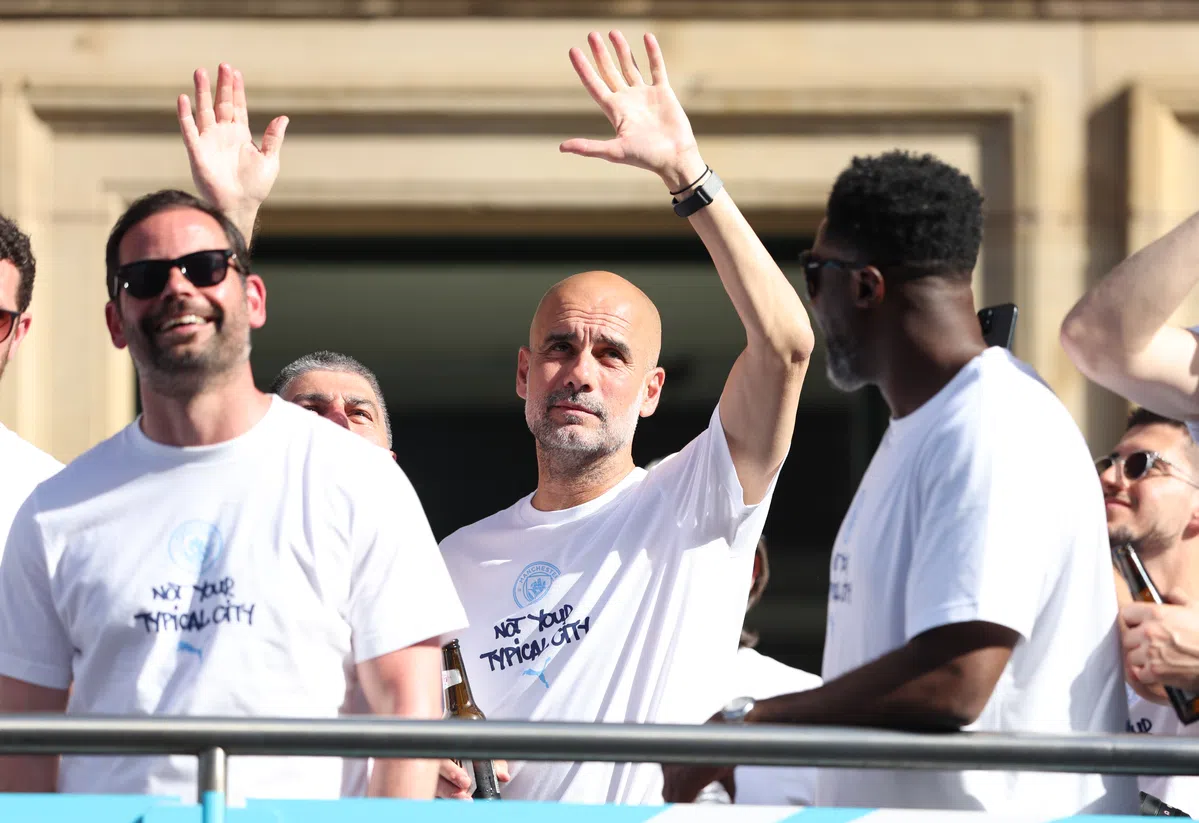
In addition to the family component, the Spaniard will also have reflected on the nature of the role of coach. Guardiola appreciates the daily work on the field, the continuous construction of ideas and routines, something difficult to replicate in the context of national teams, where players only come together in international windows. This dynamic, with few training sessions throughout the year and a strong focus on short microcycles, does not fully fit into your preferred methodology.
Another point discussed was the long-term vision presented by the Italian federation. Maldini outlined an eight to ten year project for the Azzurra, seeking stability and a strong identity until the next competitive cycle. Guardiola, however, did not want to make such a prolonged commitment, admitting that, in the coming months, the appeal of returning to the club's daily work could return with strength.
With the refusals of Guardiola and Ancelotti, the Italian federation now turns its attention to Andrea Pirlo, world champion in 2006, who appears as the main candidate for the position of coach. The former midfielder's experience and status within Transalpine football play in his favor at a time when Italy is looking for a leader capable of consolidating the team's renewal and defining a clear direction for the coming years.
Guardiola's decision, although understandable, represents a setback for the FIGC, which wanted a top name to guarantee an immediate impact on a historically winning team, but which aims to rediscover stability and sustained competitiveness on the international stage.
What happens next
With Guardiola out of contention, the FIGC should intensify negotiations with Andrea Pirlo, who already has experience as a coach. Pirlo's selection could mark a new era for the Italian team, especially after the departure of Gennaro Gattuso. The federation could also consider other options, but the pressure to find a renowned coach is high given the impact leadership has on team performance.
Frequently asked questions
What happened to Pep Guardiola in relation to the Italy team?
Pep Guardiola turned down an invitation to be Italy's next coach after being approached by the Italian federation.
Who confirmed Guardiola's refusal to be coach?
Guardiola's refusal was communicated to the Italian federation, which had already faced Carlo Ancelotti's refusal for the same position.
Why did Guardiola decide not to accept the job now?
Guardiola decided not to accept the position for personal and professional reasons, wanting to dedicate more time to his family and not feeling prepared for the demands of the position.
What changes occurred in the Italian team after Guardiola's refusal?
Guardiola's refusal represents a new setback in the FIGC's plans, which had already seen Carlo Ancelotti decline the role before.
What is the current situation of the Italy national team after Guardiola and Ancelotti's refusals?
The Italian team continues without a defined coach, after the refusals of Guardiola and Ancelotti, complicating the federation's plans.