
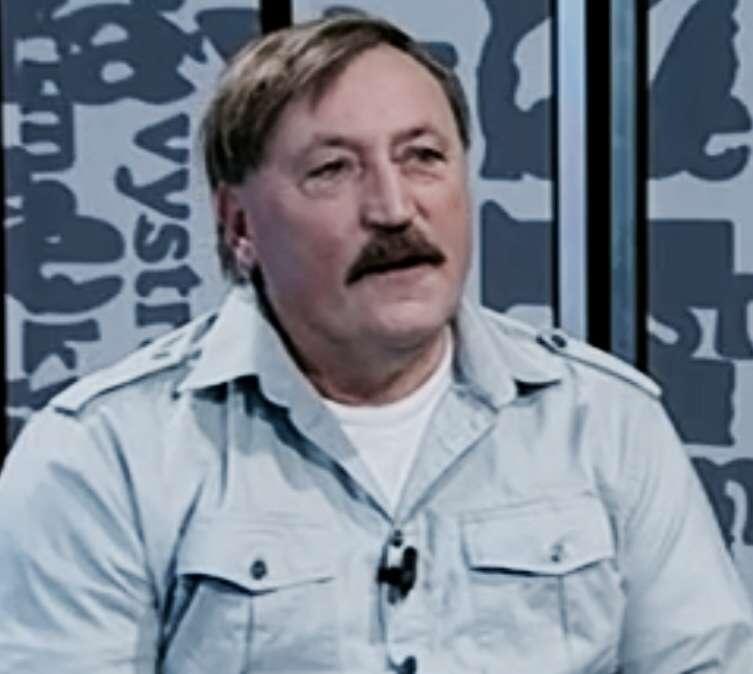
Antonin Panenka is an institution in world football. It was his 'cavadinha' that named the “Panenka” penalty, successfully applied in the decisive kick of the 1976 Euro Cup final, which gave Czechoslovakia the title against West Germany. Fifty years later, the former midfielder spoke about that moment again in an interview with La Gazzetta dello Sport.
“I wasn't 100% sure of scoring, but 1000%”, recalls Panenka, who admits to having experienced a peculiar post-game with Sepp Maier, the German goalkeeper beaten in that penalty. "For 35 years he didn't speak to me. They said he practiced darts in the garage with my face as a target. Then he forgave me."
Panenka assumes that the boldness also had a spectacle purpose: “I always considered myself a showman, I wanted to amuse people.” And he told how the idea was born. At Bohemians, after training, he made bets with goalkeeper Hruska: he took five penalties; if he scored them all, his colleague would pay for beer and chocolate; if he defended one, he would pay Panenka. "I started paying: a lot, too much. And I thought that goalkeepers always throw themselves at one of the posts."
The 1976 final was not even the debut of cavadinha in play. "I had already scored twenty goals like that, I only missed one, in a friendly in 1975. The pitch was a puddle; the goalkeeper stood still because he didn't want to get dirty. I hadn't thought about that scenario."
There was also management within the selection itself. "Only with goalkeeper Ivo Viktor. I didn't listen to him; he threatened me", jokes the Czech hero.
Regarding the execution, Panenka describes the recipe: "Quick, direct, long run. Without slowing down or doing tricks, you have to convince the goalkeeper with your eyes that you are going to take a normal penalty." And he highlights his pride in seeing his brand replicated by stars from different generations: "When Totti did this, it allowed me to rediscover mine. It's beautiful. And it's a source of pride to see it on the feet of champions like Messi and Zidane. Today it's more difficult than it used to be."