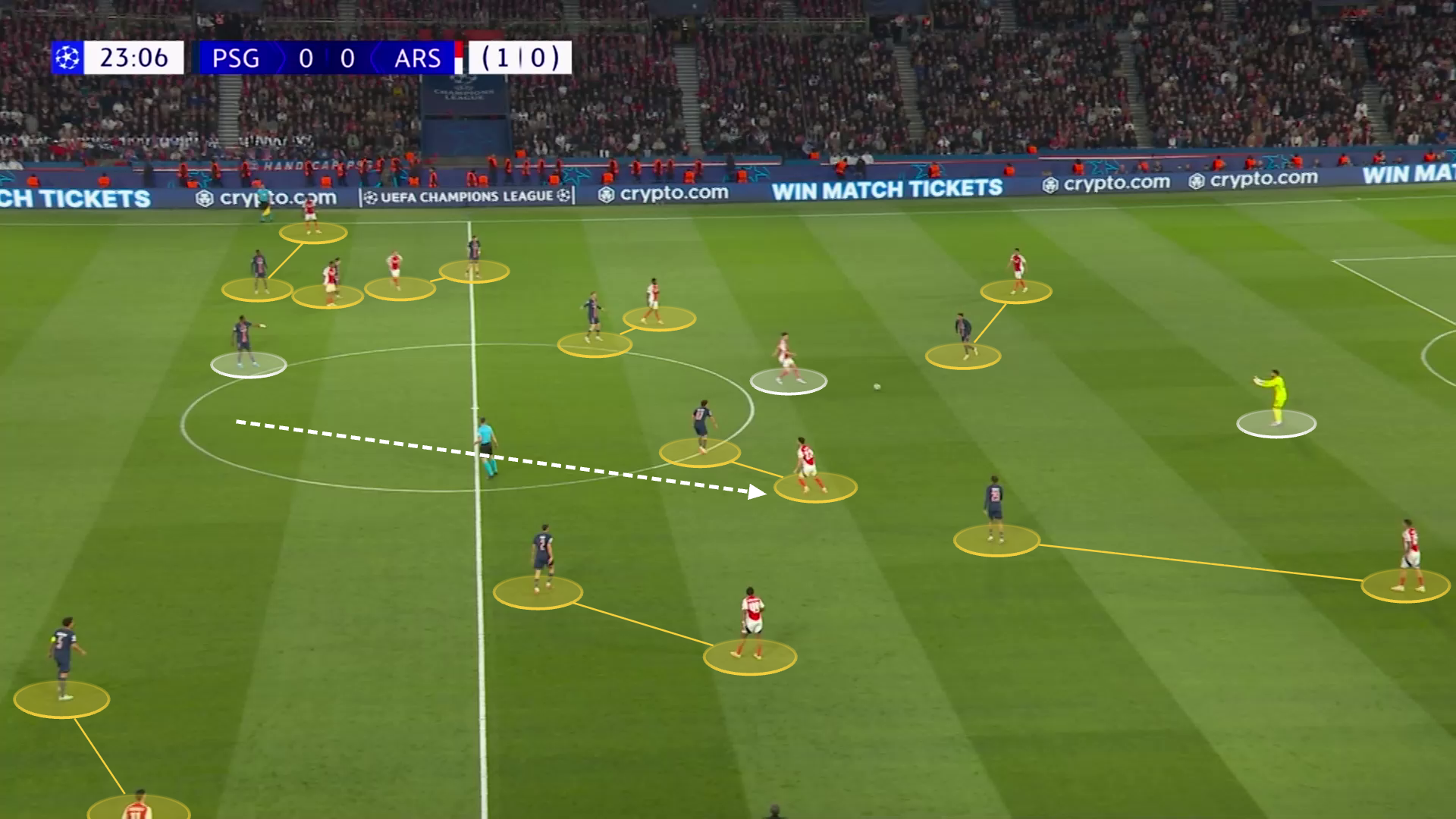
Mikel Arteta's Arsenal are looking to lift the Champions League for the first time and will face Luis Enrique's Paris Saint‑Germain who reach the final with great offensive power. The duel promises to put the solidity of the Gunners and the goalscoring streak of the Parisians face to face — and some tactical details can make a difference.
Champions League Final – Arsenal vs PSG Saturday 30th May, 5pm BST
A different ‘9’ and the value of direct play Against teams that press high and often man-to-man, like PSG, the use of a mobile striker — capable of dropping into the middle and creating superiority — can unlock the first construction phase. Kai Havertz fits this profile and gives the team the chance to attract central defenders, free midfielders and create vertical passing lines. In parallel, long balls from David Raya or the central defenders for the German's frontal support allow Arsenal to play first and second balls closer to the opponent's midfield, with Declan Rice ready to attack the remainder.
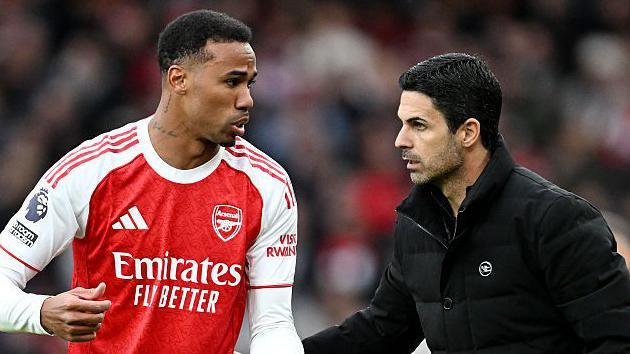
Courage in short spaces… and in between Chelsea, Lens and Bayern showed that bringing units together with quick exchanges in interior areas can pull PSG's marking into congested corridors, opening up spaces in other sectors. Arsenal tends to favor safe attacks from the flanks, but taking more risks through the central corridor — with short combinations between Havertz, Bukayo Saka, Leandro Trossard and Martin Ødegaard — can dismantle the Parisian structure and place finishers in more favorable angles.
How to stop PSG's fluidity Luis Enrique's team is fluid but follows clear principles: keeping five anchor zones occupied (the two central areas, both wings and the striker's space), allowing constant rotations in the middle. In order not to be disorganized, Arsenal will have to decide: either press man-to-man on the supports (not allowing the low player time to release the long clearance), or retreat a few meters to protect the depth. The coordination of the first line of pressure led by Ødegaard and William Saliba's aggressiveness in duels with mobile wingers and attackers, such as Ousmane Dembélé, will be decisive. The idea is simple: if PSG has time to think, they will find the free man; If pressed at the right time, it loses the reference of its rotations.
Set pieces can decide In such a level game, the details in set pieces gain weight. Arsenal have been dangerous from corners and free kicks, especially exploiting the back post and the ball returned to the end zone. Crosses that fly over the defensive line and are headed back into the six-yard box tend to generate clear chances — a pattern that Arteta's team dominates.
The confrontation opposes two strong ideas: Arsenal's collective rigor and defensive organization against PSG's irreverence and offensive mobility. If the Gunners manage to play most of the time in the opponent's half, win second balls, be brave inside and capitalize on dead balls, they will be closer to European glory.