
The selection of players in Saudi Arabia and the challenges
According to Vi.
Context
Hans Kraay Junior's analysis of the selection of players in Saudi Arabian leagues reflects a transformation in the priorities of athletes, who now weigh more on financial stability to the detriment of ethical principles. The comparison with the resistance that existed in 2004, when Ronald and Frank de Boer signed contracts in Qatar, illustrates how football dynamics and players' decisions have evolved over time.
Why this matters
The selection of players in Saudi Arabian leagues raises significant ethical questions, especially in relation to human rights. Hans Kraay Junior's analysis highlights the change in perceptions over the years, reflecting a dilemma between ethics and the search for advantageous financial contracts. This debate is crucial for the future of football, as it could influence the way players and clubs approach issues of social responsibility.
Main conclusions
- The selection of players in Saudi Arabia and the challenges.
- Hans Kraay Junior looks at how perceptions around football contracts have changed over the years, especially in countries where human rights are often questioned.
- 'Onze zandbakjongens worden door Xavi gewoon geselecteerd'.
The issue of selecting players for teams in countries where human rights are a concern continues to be a controversial topic. Hans Kraay Junior, an analyst at ESPN, expressed his opinion on this, referring to the impact that financial values have on players' decisions. He highlights that although the human rights situation in these countries is worrying, many players are willing to accept substantially lucrative contracts.
"Well, I would say that I personally have some difficulties accepting the idea of playing outside of Europe, especially in regions with a history of human rights violations. However, if they offered me twenty million, I would be on my way, even if I had to make a stopover along the way," says Kraay. This type of reflection leads us to question the values that athletes put first: commitment to ethical principles or the search for financial stability?
Kraay also notes that public perception has changed since 2004, when Ronald and Frank de Boer signed contracts with Al-Rayyan in Qatar. At that time, there was widespread skepticism and significant resistance towards players deciding to join leagues in countries whose human rights practices were often criticized. Today, the reality appears to be different, with an increasing number of players considering these offers, despite knowing the ethical implications.
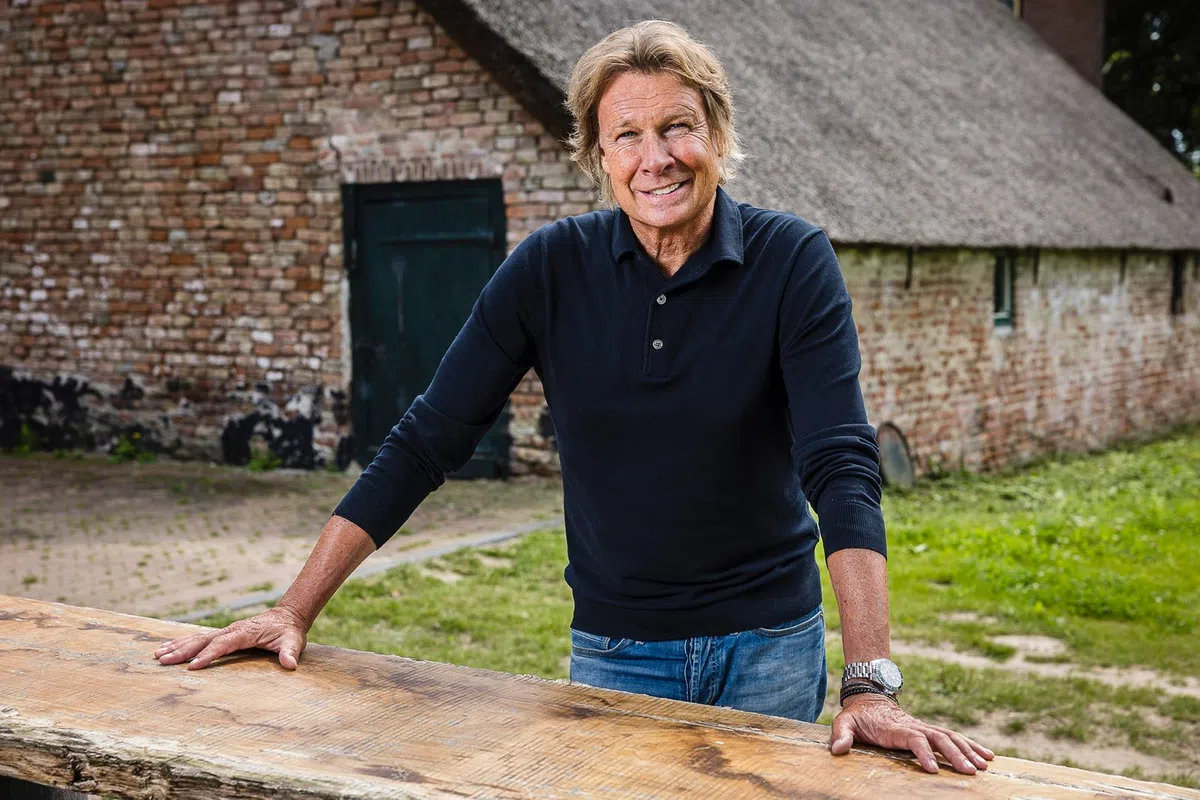
Kraay's analysis is not just limited to the financial aspect; he questions what this means for the image of football and the social responsibility of athletes. Contracts in countries like Saudi Arabia are raising questions about how players view their role on and off the field, especially in relation to the impact they can have on social and political issues.
The debate is important, as the influence of sport goes far beyond the field. Players are often seen as role models and their decision to move to countries with negative human rights records could send a powerful message. After all, social responsibility must be considered when making decisions that not only affect a player's career, but also the way the sport is perceived globally.
Kraay concludes that while financial contracts can be tempting, it is crucial that players reflect on their choices and what those choices mean for society as a whole. The evolution of perceptions surrounding football contracts shows that sport and ethics are more intertwined than ever, and it is up to athletes to decide how they want to be remembered.
What happens next
With increasing interest in lucrative contracts in countries with a history of human rights violations, it is likely that more players will consider offers from Saudi Arabia. This could generate a broader debate about ethics in football and the responsibility of athletes in relation to social issues. Evolving public perceptions could also lead to changes in club and federation policies regarding international signings.
Frequently asked questions
What happened to the player selection in Saudi Arabia?
The selection of players for teams in Saudi Arabia has generated controversy due to human rights concerns.
Who confirmed concerns about human rights in Saudi Arabia?
Hans Kraay Junior, ESPN analyst, expressed his opinion on the financial impact on players' decisions.
Why is player selection being discussed in Saudi Arabia now?
The discussion arises due to the increase in the number of players willing to accept lucrative contracts, despite the ethical implications.
What changes have occurred in public perception about players going to leagues in countries with human rights violations?
Public perception has changed since 2004, with less resistance and an increase in the number of players considering these offers.
What are the ethical challenges mentioned in relation to contracts in Saudi Arabia?
Contracts in Saudi Arabia raise questions about the social responsibility of athletes and the image of football.